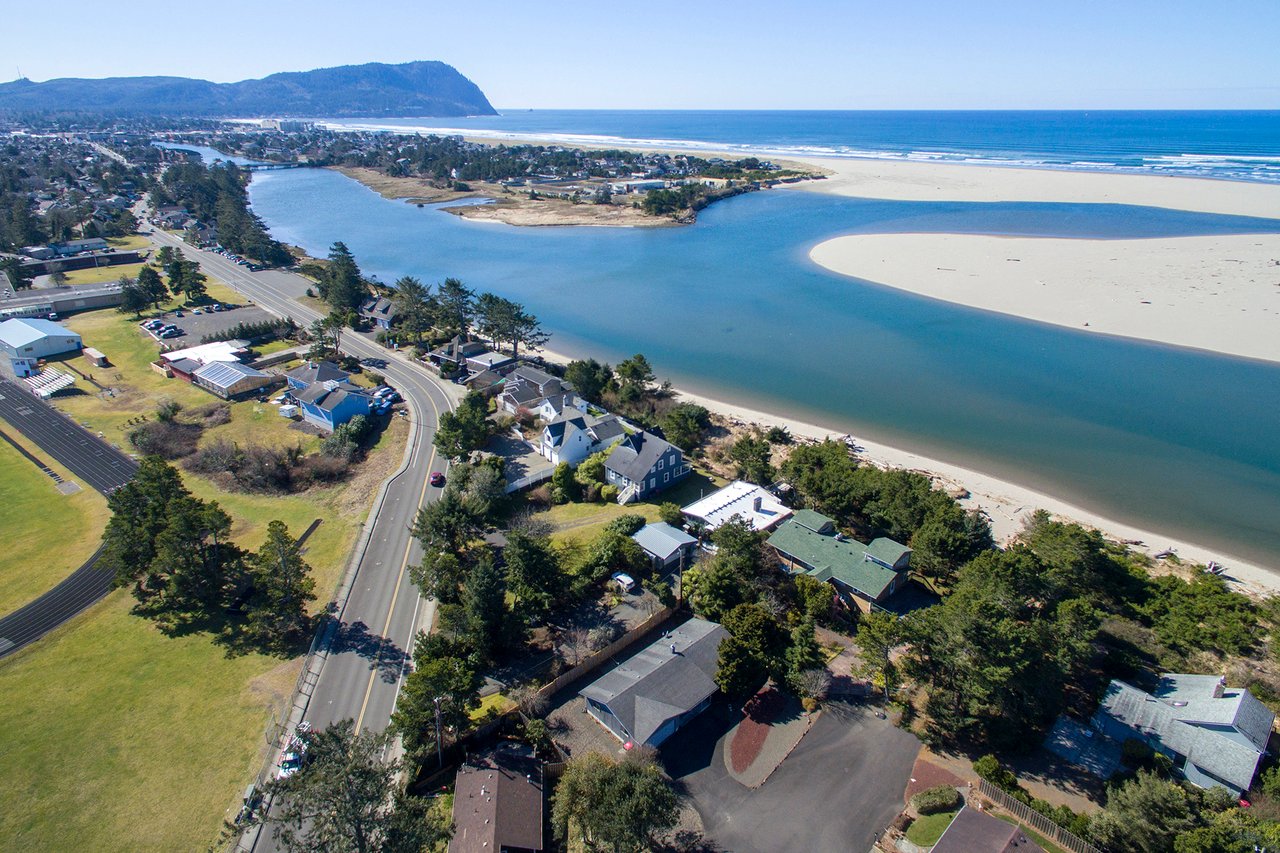
Warrenton Versus Astoria And Seaside For Coastal Living
June 4, 2026
June 4, 2026
Choosing between Warrenton, Astoria, and Seaside can feel harder than it looks on a map. These coastal neighbors are close together, but they offer very different day-to-day experiences depending on how you want to live, move, and spend your time. If you are weighing year-round comfort, historic character, or easy beach-town energy, this guide will help you compare what each place actually feels like. Let’s dive in.
Warrenton, Astoria, and Seaside sit near one another in Clatsop County, but each has a distinct identity. Based on city descriptions and Census data, Warrenton is the most spread out and service-oriented, Astoria is the densest and most historic in feel, and Seaside is the most compact and visitor-centered.
That difference matters when you are buying a primary home, second home, or small investment property. A town that looks ideal for a weekend visit may feel very different when you picture errands, parking, access, seasonal traffic, or housing style.
Warrenton often appeals to buyers who want a more practical, year-round base on the coast. It has the largest land area of the three at 12.66 square miles, and its population density is much lower than Astoria or Seaside at 495.9 people per square mile.
That extra space tends to translate into a more open, residential feel. Warrenton is also bordered by the Pacific Ocean on the west and the Columbia River on the north, which gives you a coastal setting with strong ties to working waterfront activity.
The city emphasizes municipal services, marinas, and a Highway 101 retail corridor. Official city materials note business clusters around the highway, airport, and industrial areas, which supports the idea that Warrenton functions as an everyday-use town rather than a pure resort destination.
For many buyers, that can be a real advantage. You may find the rhythm of daily life feels a bit more grounded and less centered on visitor activity.
The 2020 Census counted 6,277 residents in Warrenton, making it the smallest by population of the three, but its larger footprint gives it the least dense layout. It also has the highest owner-occupied housing rate of the group at 59.5%.
While owner-occupancy does not tell the whole story, it can be one useful sign of a more residential pattern. If you want a town that reads more like a home base than a visitor hub, Warrenton stands out.
Warrenton offers a community library, community center, sanitation service, parks, trails, and marina access. The city lists amenities such as Skipanon River Park, Carruthers Memorial Park, Seafarers Park, the Warrenton Waterfront Trail, the Skipanon River Loop Trail, and the Airport Dike Trail.
The Warrenton Boat Basin is described in the city’s marina planning materials as a working harbor with commercial fishing, sport-fishing charters, recreational moorage, and a public launch ramp. If you value water access and a more functional coastal setting, Warrenton has a strong practical appeal.
Most locals would not think of Astoria as a coastal town, as it sits on the mouth of the Columbia River. Astoria has steep streets that make for a lot of view properties, think of a mini San Fransisco with Victorian era architecture and eclectic shops and restaurants.
It is the largest of the three by population at 10,181 residents, but it sits on just 6.14 square miles, giving it a much denser feel at 1,658.7 people per square mile.
That added density, paired with its historic setting at the mouth of the Columbia River, creates a more urban small-city atmosphere. If you are drawn to layered streetscapes, older homes, and a stronger sense of history, Astoria may feel like the best fit.
The city highlights its riverfront setting and long history, along with amenities like the Riverwalk, hiking trails, parks, boat moorages, the Astoria Riverfront Trolley, the Astoria Column, the Columbia River Maritime Museum, and the aquatic center.
Astoria also sits at the junction of Highways 30, 101, and 202. That transportation position helps reinforce its role as a regional hub with a more built-in town center feel.
A major feature of Astoria is the 6.4-mile Riverwalk along the Columbia River. The city’s Parks Department also maintains 63 parks, including the Riverwalk, Youngs River Falls, Ocean View Cemetery, and the Astoria Aquatic Center.
Together, those public spaces help explain why Astoria often feels more layered and walkable than Warrenton. You get a mix of waterfront paths, hillside parks, and established civic amenities that create a more textured town experience.
Astoria’s planning materials describe Alderbrook as the only residential area with immediate water frontage and note that it includes a number of nineteenth-century houses. That is a helpful clue if you are comparing housing types across these three towns.
In practical terms, Astoria may be more likely to offer older homes, steeper lots, and a more built-out setting. Buyers who appreciate historic character may see that as a benefit, while others may prefer the more open layout found in Warrenton.
Seaside is the most beach-centered of the three. It had a 2020 Census population of 7,115, but with only 3.89 square miles of land, it is the most compact and most dense at 1,827.2 people per square mile.
The city describes itself as a destination community at the mouth of the Necanicum River, served by Highways 101 and 26. It also notes that the year-round population can swell to 50,000 or more during major holidays and events.
That seasonal population surge is one of the clearest differences between Seaside and its neighbors. If you love the energy of a lively beach town, that can be part of the draw.
If you prefer quieter streets and less visitor activity, it is something to weigh carefully. Seaside functions as both a place to live and a place many people come to experience.
The city’s parks and visitor materials emphasize the beach, the Promenade, and public gathering spaces like The Turnaround, Broadway Park, Quatat Park, Seltzer Park, and Mill Ponds. The Promenade is a 1.5-mile paved walkway that runs parallel to Seaside Beach.
Nearby state parks add even more outdoor appeal. Ecola State Park offers coastline, hiking, tidepooling, surfing, and wildlife viewing, while Oswald West State Park includes forested trails and a secluded sandy beach.
Among the three towns, Seaside has the highest median value for owner-occupied homes at $459,500. For comparison, Astoria is at $444,800 and Warrenton is at $415,800.
That does not mean every property in Seaside costs more than every property elsewhere, but it is a useful market-level indicator. If immediate beach access and a classic promenade setting are high on your list, Seaside may justify the tradeoff.
| Metric | Warrenton | Astoria | Seaside |
|---|---|---|---|
| Population | 6,277 | 10,181 | 7,115 |
| Land area | 12.66 sq mi | 6.14 sq mi | 3.89 sq mi |
| Population density | 495.9/sq mi | 1,658.7/sq mi | 1,827.2/sq mi |
| Owner-occupied rate | 59.5% | 53.6% | 48.0% |
| Median home value | $415,800 | $444,800 | $459,500 |
| Median gross rent | $1,305 | $1,239 | $1,083 |
| Mean commute time | 18.1 min | 21.8 min | 18.1 min |
The best choice depends on how you define coastal living. If you want a more residential, service-centered setting with marinas, trails, and a practical retail corridor, Warrenton may be the strongest match.
If you want historic character, waterfront walkability, and housing that often feels older and more established, Astoria may rise to the top. If your ideal day includes quick beach access, the Promenade, and a classic destination-town atmosphere, Seaside likely deserves a closer look.
Many buyers first fall in love with a coastal town during a short visit. That first impression matters, but it helps to go one step further and picture your regular routines.
Ask yourself where you want to spend most of your time. Think about whether you care more about space, history, beach access, water-oriented amenities, or a quieter year-round feel.
Your ideal town may also depend on what kind of property you want to buy. A second-home buyer may focus on lifestyle and convenience, while a relocator may care more about everyday services and neighborhood rhythm.
If you are looking at land, a near-beach home, or a small investment property, local context becomes even more important. Town-by-town differences can shape how a property feels long after the closing day.
Choosing between these three towns is less about which one is best and more about which one fits you best. That is where local guidance can save time and help you focus on the places that truly support your goals.
If you want help comparing coastal communities and finding the right match for your lifestyle, reach out to Andrea Mace to schedule your concierge consultation.
More than 30 years later, I’m still here—and the Oregon Coast continues to shape the way I live, work and think about home.
Want to sell now or in the future? Let's start a conversation about how my services can be put to use to market and sell your home to a qualified buyer.