In Cannon Beach, the Rental Permit Doesn't Come With the House, and a Cap Would Make That Matter More
October 8, 2026
October 8, 2026
What does a buyer get when a Cannon Beach listing says the home has an active short-term rental permit? Under the city's code, they get nothing. The permit becomes void on the day the seller sells. The buyer may apply for a new one, and that has always been the rule.
Until now, applying for a new permit was a form, an inspection and a wait. On Tuesday, October 6, 2026, the Cannon Beach City Council is scheduled to continue its hearing on Ordinance 26-06. That ordinance would cap the number of short-term rental licenses at 165 and put everyone else on a waitlist. Under a cap, the gap between closing and a new permit stops being paperwork. It becomes a place in line, and buyers who are comparing Cannon Beach with other North Coast towns should price it that way.
The draft ordinance keeps the current code's core sentence and makes it stricter:
"All types of rental permits are issued to a specific owner of a specific dwelling unit. The rental permit shall be immediately void without further city action on the date the permit holder sells or transfers the real property."
That language covers both kinds of permit in Cannon Beach.
The first kind is the 14-day permit, which most rental homes in town hold. It lets the owner rent the home once, to one group, within any 14 consecutive days. The 14 days start when that group first occupies or is entitled to occupy the home. If the guests leave early, the house still can't take a second group before the window closes. The permit lasts one year from issuance. Under the draft, it would count as "active" and renewable only if the owner shows proof of quarterly tenancy at the annual audit.
The second kind is the lifetime unlimited permit, which predates the 14-day system. The city stopped issuing it long ago. The code says that when one is revoked or terminated, "it will not be replaced." A sale terminates it. So the most flexible rental right in Cannon Beach disappears every time one of those homes changes hands, and the draft says no new lifetime permits will be issued.
The Astorian reported in September 2026 that Cannon Beach had 195 short-term rental permits in total. Most were 14-day permits, and 40 were lifetime permits that will "age out" eventually, possibly many years from now. The city's lifetime roster, updated September 17, 2026, lists 39 entries. Every one of those homes that sells moves from the most permissive category to the most restricted.
The council's documents don't agree on what the cap counts, and the two readings point to very different markets.
| Source | What the 165 cap covers | Headroom against current permits |
|---|---|---|
| July 23, 2026 staff report and earlier drafts | 14-day permits only | About 10 slots above the roughly 155 active 14-day permits |
| October draft text, §17.84.055(A) | "165 Licenses as described in Section 17.84.040 and 17.84.050," which cross-references both lifetime and 14-day sections | None. Roughly 195 total permits are active, so the city would start about 30 over |
| September 15, 2026 hearing notice | 165 total permits | Same as above |
Under the first reading, a handful of new permits could still be issued before the list fills. In that version, staff projected that the cap would cut total permits by 17.5% as lifetime permits expire and their owners have to apply for 14-day permits instead. Staff recommended adopting it, keeping the short-term rental share of housing below 10%, and reviewing it in five years.
Under the second reading, no new permit would be issued until roughly 30 existing permits have gone away through sales, lapses or revocations. The packet doesn't explain how the city would handle being over the cap on day one. The council's final vote is the only thing that will settle which version applies. If adopted, the ordinance would take effect 30 days later.
Here is how the draft would work for someone buying a permitted Cannon Beach home once the cap is reached:
On the city's monthly count, the queue was already there before any cap was adopted. The May 2026 report recorded a "surge in applications after PC's Work Session," with 154 active 14-day permits, 41 lifetime permits and 8 pending applications. The July report still showed 8 pending and said applications had increased because of the ZO 26-01 discussions. The city's 14-day roster, updated October 2, 2026, is numbered through permit 158.
A buyer who closes after those applicants starts behind them. When the seller's permit becomes void, it frees a license, and under the draft the city offers that license to whoever is at the top of the waitlist, who is probably not the person who just bought the house.
The waitlist decides when an owner can apply. A second set of rules decides whether the address can get a permit at all. The October draft adds §17.84.025, which bars new permits for any property east of Highway 101. It also bars new permits within 100 feet of any active short-term rental property, measured from that property's boundaries. Existing permits in those areas stay in force and can be renewed each year.
For a buyer, that exemption ends at the sale. Once the seller's permit becomes void, the buyer's application is for a new permit, and the draft has no exception for a home that held one before. In the draft as written, an east-of-101 home sold with an active permit couldn't get a new one, no matter where the buyer stood on the waitlist.
The 100-foot rule reaches much further. The July staff report estimated that 100-foot buffers would cover 55% of all properties in Cannon Beach and most residentially zoned ones. Staff also noted that in other places, owners have applied for permits they never meant to use, just to keep the house next door from qualifying. At a June 9 work session, the council directed staff to leave out both the buffer and the geographic restrictions. After an August 11 work session, the council asked for density changes, and both restrictions came back.
The east-of-101 rule follows a specific neighborhood debate. Much of the push for a cap has come from Haystack Heights, on the east side of the highway at the south end of town. The city counts six vacation rentals there, in a neighborhood that is otherwise a mix of year-round and seasonal residents.
The same rules look different from the seller's side. An owner with an active permit holds something the next owner can't buy. A lifetime permit can't be replaced at all, and under a cap a 14-day permit becomes a license the city has limited. So the cap gives permitted owners a reason to keep the home rather than sell it, because selling ends the permit for good. When a permitted home does sell, its rental history describes how the seller used it. It doesn't tell a buyer what they will be allowed to do.
The September hearing laid out why the council is willing to accept that. City staff presented regional housing occupancy data showing that seasonal occupancy makes up about half of Cannon Beach's housing occupancy. Short-term rentals make up about 10%, and owner- and renter-occupied homes about 37%. Lynn Halldorson told councilors she has moved seven times in her 15 years in Cannon Beach. One of those moves came after the owners of her home turned it into a vacation rental.
Others at the hearing warned about side effects. Sandie Dotson, general manager of Beachcomber Vacation Homes, which runs just over 100 vacation rentals in Cannon Beach, read a statement from owner Brian Olson. He asked what happens "when demand for vacation rentals continues but supply of legal permits becomes restricted," and raised concerns about unregulated rentals. Several speakers said families who have owned in Cannon Beach for generations need flexibility in how they use their homes. The Planning Commission had recommended against a cap. A majority of councilors supported the version before them in September, which would reverse that recommendation if adopted.
Even if the ordinance passes as written, several questions that matter in a transaction remain open:
These are questions for the city's Community Development Department and for a buyer's own legal counsel. Nothing here is legal advice, and the outcome of the October 6 meeting may change the details. The same agenda includes Ordinance 26-07, a broader housing code update that adds an owner-occupancy requirement for public-benefit dwellings.
If you're weighing a permitted Cannon Beach home or thinking about selling one, the timing of a sale can matter as much as the price while this ordinance is pending. Andrea Mace and the Mace Team follow the council's decision closely and can show you how the final text applies to a specific address before you commit. Schedule your concierge consultation.


The Oregon Coast Town that Time Forgot

Cannon Beach Lifestyle
Cannon Beach Cottage Tour & Stormy Weather Arts Fest
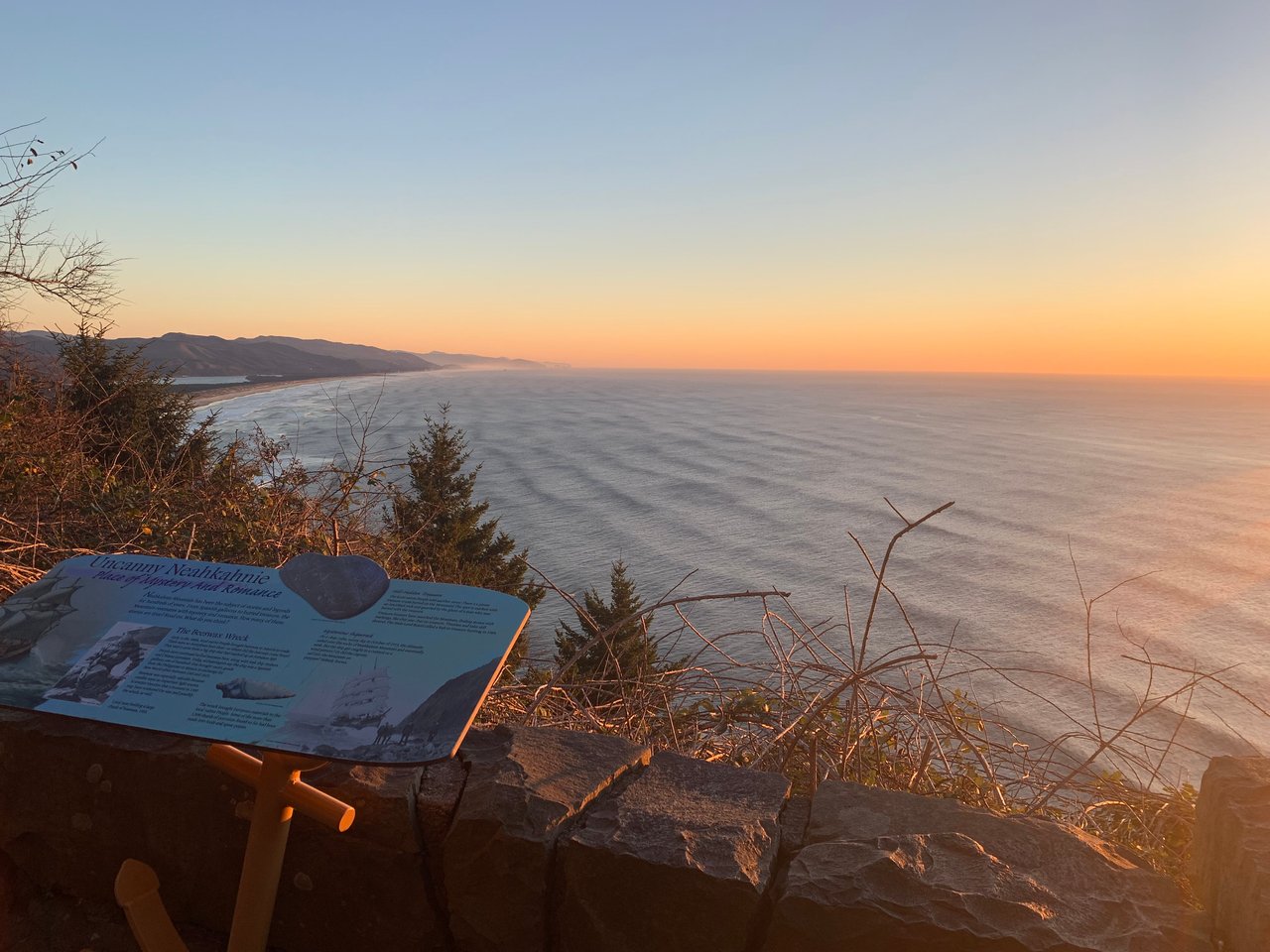
Now, there's a new trail to discover called the Neahkahnie Gap.
Want to sell now or in the future? Let's start a conversation about how my services can be put to use to market and sell your home to a qualified buyer.