Seaside Second Homes: Where To Buy And What To Expect
March 5, 2026
March 5, 2026
Imagine slipping out of Portland on a Friday and arriving at your own coastal retreat about 75 to 80 miles later. If Seaside is on your shortlist, you are not alone. The town blends classic Oregon Coast energy with walkable beachfront, lively summers, and a wide range of homes and condos. In this guide, you will learn the best areas to buy, realistic price bands, short‑term rental rules, seasonal patterns, and the true costs of owning on the coast. Let’s dive in.
Seaside is a long-established resort city with year-round tourism and a beloved oceanfront Promenade. That walkable lifestyle is a major draw for second-home owners who want easy beach access and a lively core. You can read more background on the city in the Seaside overview from Wikipedia.
Peak demand hits in late spring and summer, with big weekends around events like the Seaside Beach Volleyball Tournament that pack the Prom and downtown. These events also lift short‑term rental bookings for well-located properties, as reported by Discover Our Coast’s tournament coverage.
You will also find variety at multiple price points, from compact condos near the sand to oceanfront buildings and single‑family cottages across town. Many oceanfront condos actively operate as vacation rentals, a sign of strong guest demand near the Prom, as you can see from representative listings on VRBO.
If you want the beach and Broadway at your doorstep, focus on the Promenade and downtown zone. Oceanfront condo buildings along the Prom are popular for second homes because guests love the location, and these units are often the simplest to rent on a nightly basis. Expect higher HOA dues and occasional special assessments due to coastal exposure and major exterior work common in oceanfront structures. During peak season, crowd and parking pressure are real tradeoffs near the core.
Cross the river or move a few blocks off the Prom and you will feel a more residential vibe. North and east of Highway 101, you will see quieter streets and more single‑family homes. If your priority is a low-key getaway over rental traffic, this area is worth a look. Short‑term rental eligibility is not guaranteed here; confirm address-level rules with the city before assuming nightly rental use. The City’s STR application hub outlines zones, inspections, and local-contact requirements on the Short-Term Rental Application page.
Closer to vehicle access, groceries, and services, this zone offers practical second-home options, often at more approachable prices than oceanfront condos. You will find cottages and single‑family homes that work well for owners who value convenience over being on the Prom. Local property managers share practical tips about utilities and upkeep in this area, summarized on Beach Property Management’s local information page.
If you are comparing towns, know that policies differ. Cannon Beach is smaller, typically more expensive, and is known for strict STR rules, including a 14‑day permit framework and limits on full‑time vacation rentals. You can review the city’s program on the Cannon Beach short-term rentals page. Gearhart has moved to curtail new STRs in residential zones. Seaside tends to be the more flexible option for STRs, subject to its zoning map and density rules, which you can track on the city’s VRD ordinance amendment page.
Prices shift with the market, but recent snapshots offer a helpful frame. In January 2026, city-level data from Redfin showed a median sale price in the low to mid 400s, around 440,000 dollars. ZIP-level medians have trended higher at times. These differences are common between aggregators.
A practical way to think about it is by product type:
Use these as broad bands rather than guarantees. Always confirm current comps in the specific building or neighborhood you like.
Seaside requires a business license for Vacation Rental Dwellings when renting for fewer than 30 days. Not every parcel is eligible for a new license. Rules include supported and unsupported areas, bedroom-based occupancy, parking minimums, safety postings, and a designated local contact who lives in Clatsop County and can respond within two hours. Before you buy, verify the address on the city’s Short-Term Rental Application and Information page and review the latest density and spacing updates on the VRD ordinance amendment page.
If you operate a STR, you must collect lodging taxes and file returns. Seaside charges 10 percent, Clatsop County adds about 1 percent, and the State of Oregon adds 1.5 percent. Even if a platform collects on your behalf, you remain responsible for filings. The city explains rates and schedules on its Transient Room Taxes page.
Market analytics show strong summer peaks with slower winters. A recent Seaside snapshot reported average daily rates in the low to mid 300s and average annual occupancy under 50 percent, with higher occupancy during summer months. Those numbers reflect market averages; well-managed, well-located units can outperform. Use conservative math, model both a summer peak and a winter trough, and include management fees of roughly 20 to 35 percent, cleaning, lodging taxes, utilities, and maintenance. For a market-level view, see the Seaside page on AirROI.
Coastal properties face salt-air wear, roof and deck exposure, and faster corrosion cycles. Budget more for upkeep than you might in an inland market. Local operators share practical maintenance expectations in resources like this local information guide.
Flood and tsunami exposure also matter. Seaside appears on regional tsunami inundation and evacuation maps published by Oregon’s Department of Geology and Mineral Industries. Before you commit, run the DOGAMI map for the exact address and check FEMA flood panels to see if a lender will require a flood policy. Start here with DOGAMI’s Clatsop County tsunami evacuation map index.
Insurance is different on the coast. Standard homeowners policies typically do not cover flood, so you may need a separate flood policy through the NFIP or private market. Deductibles for wind or windstorm may be higher as well. Get quotes early, as outlined in this Forbes Advisor overview of flood insurance basics.
Condos near the Prom trade on location and rental convenience. They also come with HOA fees and the possibility of special assessments for major exterior projects, which are common for oceanfront buildings over time. As a reminder to review HOA financials, you will often see repair notices and project schedules for oceanfront complexes, similar to those referenced on VRBO.
Single‑family beach cottages provide more control and no condo board, but you take on all maintenance and the direct impact of coastal weather. If you prefer a turn-key option with pooled maintenance, lean condo. If privacy and autonomy are top priorities, a cottage might be the better fit.
Use this step-by-step list to reduce surprises and keep your decision data-driven.
June through August and event weekends are busy. Downtown foot traffic swells, parking tightens, and noise levels rise near the Prom and Broadway. If you value quiet, consider residential streets north, east, or along the 101 corridor. If you plan to rent, remember that the city enforces parking minimums and occupancy rules and requires Good Neighbor postings inside each rental, as outlined on the STR Application page. For a feel of the scale of summer events, review the Seaside Beach Volleyball Tournament coverage.
Buying a second home on the North Oregon Coast is as much about lifestyle fit as it is about numbers. You deserve guidance that blends neighborhood insight with straight answers on STR rules, hazards, and long-term costs. If you are ready to pinpoint the right Seaside property and move forward with confidence, connect with Andrea Mace for concierge-level representation.
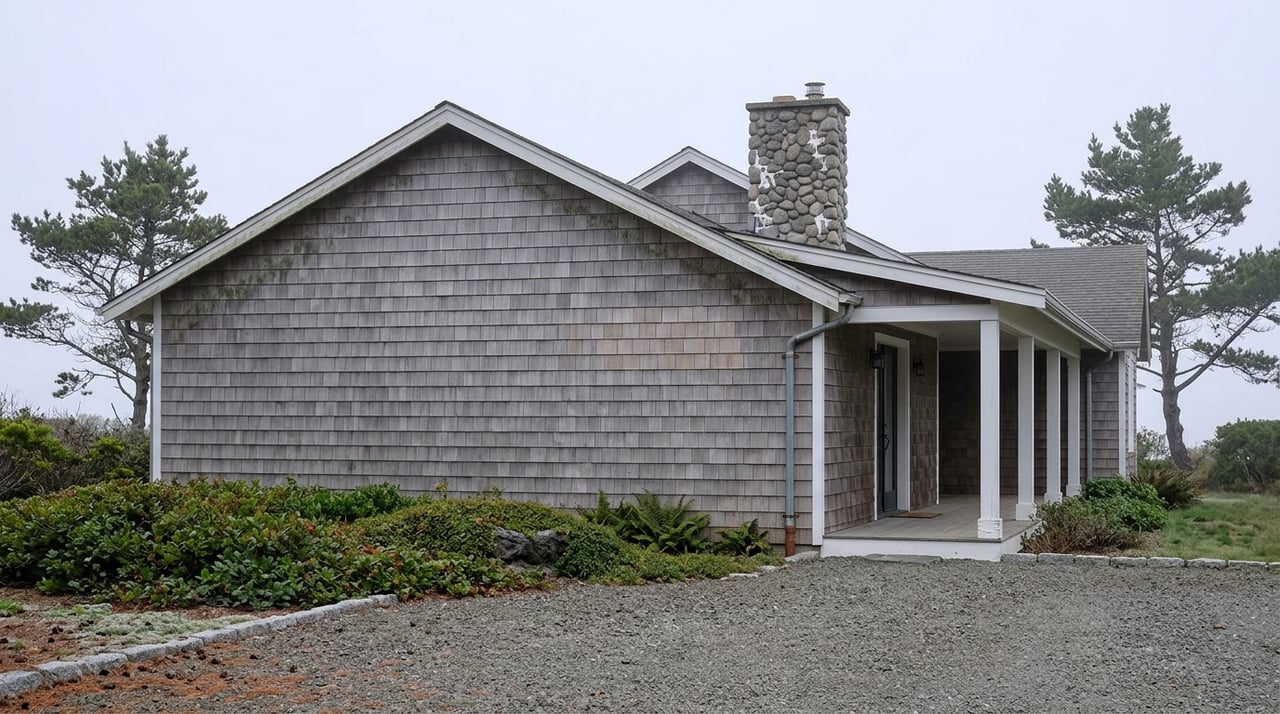
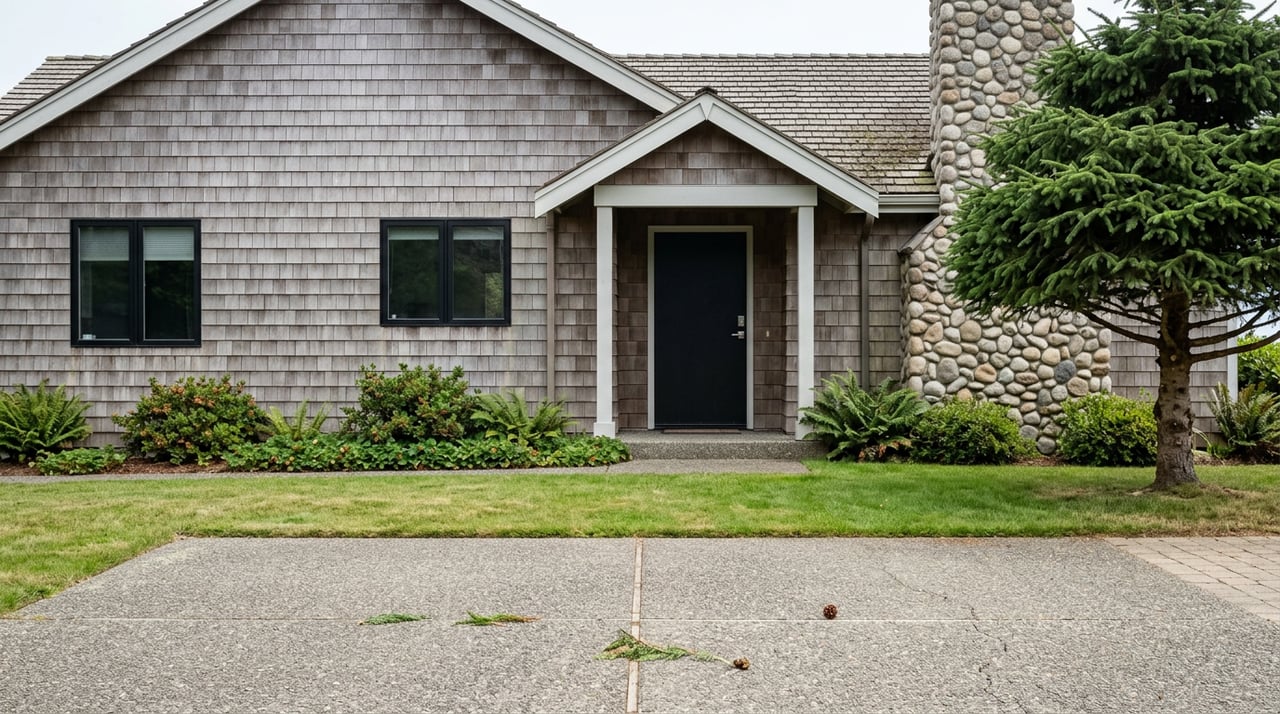


The Oregon Coast Town that Time Forgot
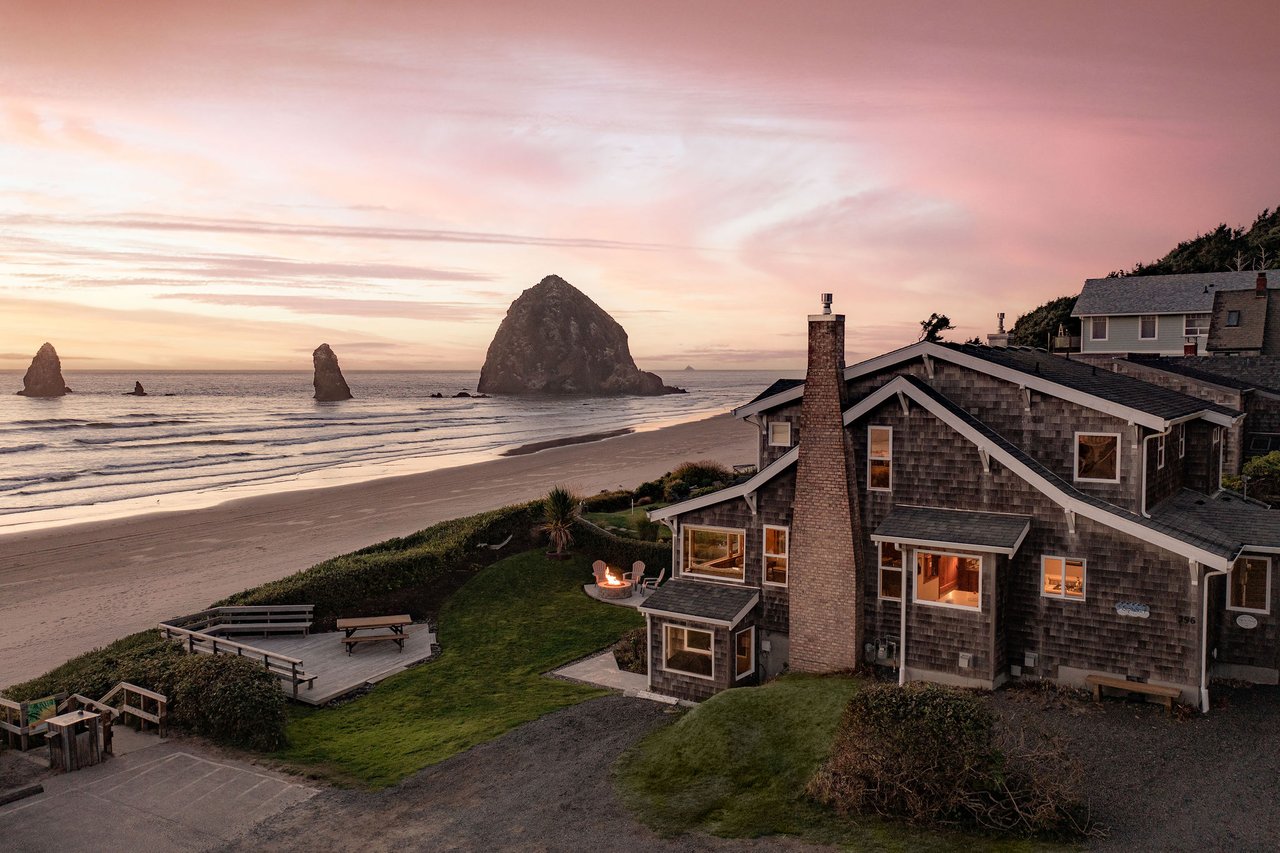
Cannon Beach Lifestyle
Cannon Beach Cottage Tour & Stormy Weather Arts Fest
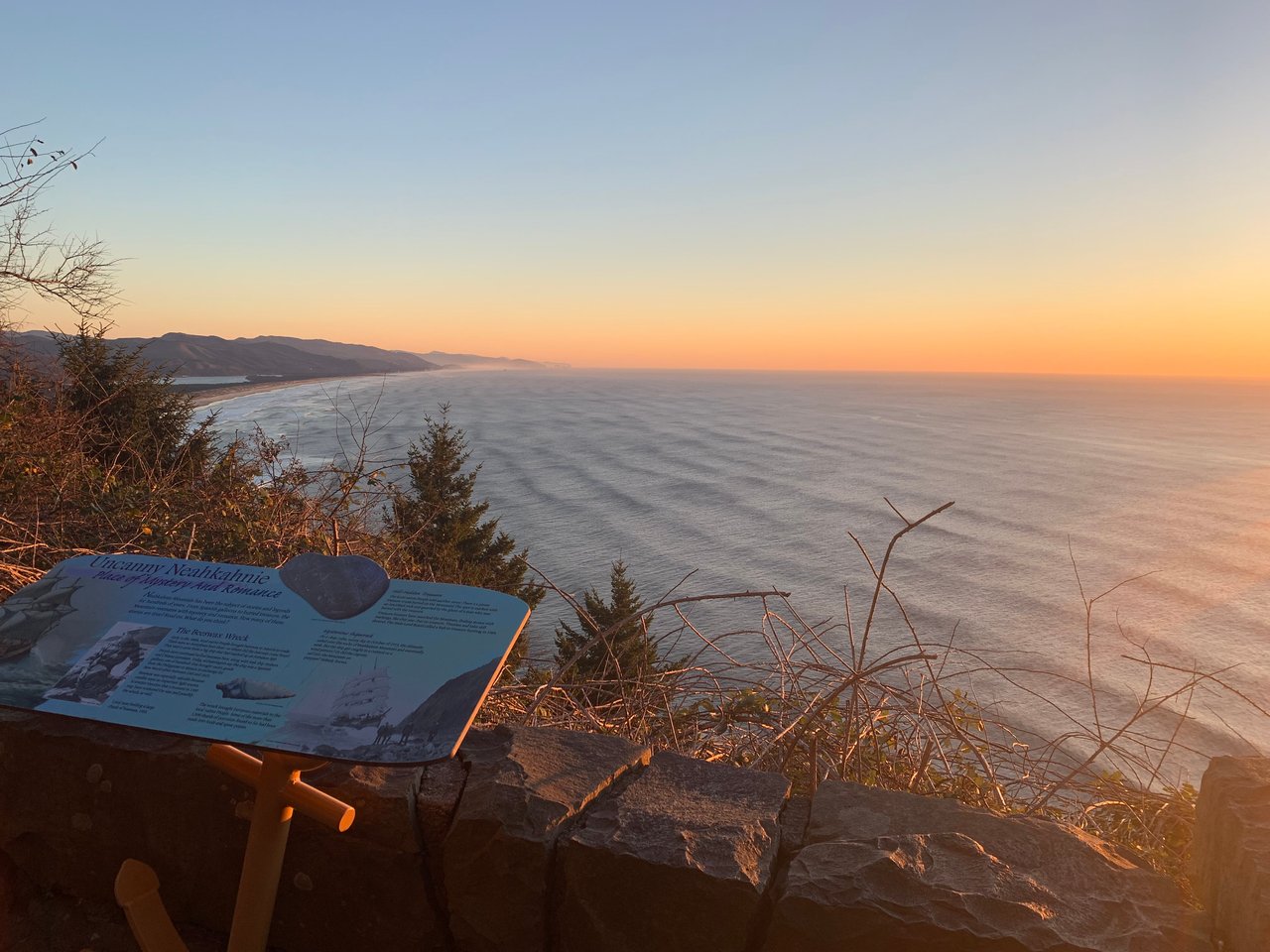
Now, there's a new trail to discover called the Neahkahnie Gap.
Want to sell now or in the future? Let's start a conversation about how my services can be put to use to market and sell your home to a qualified buyer.