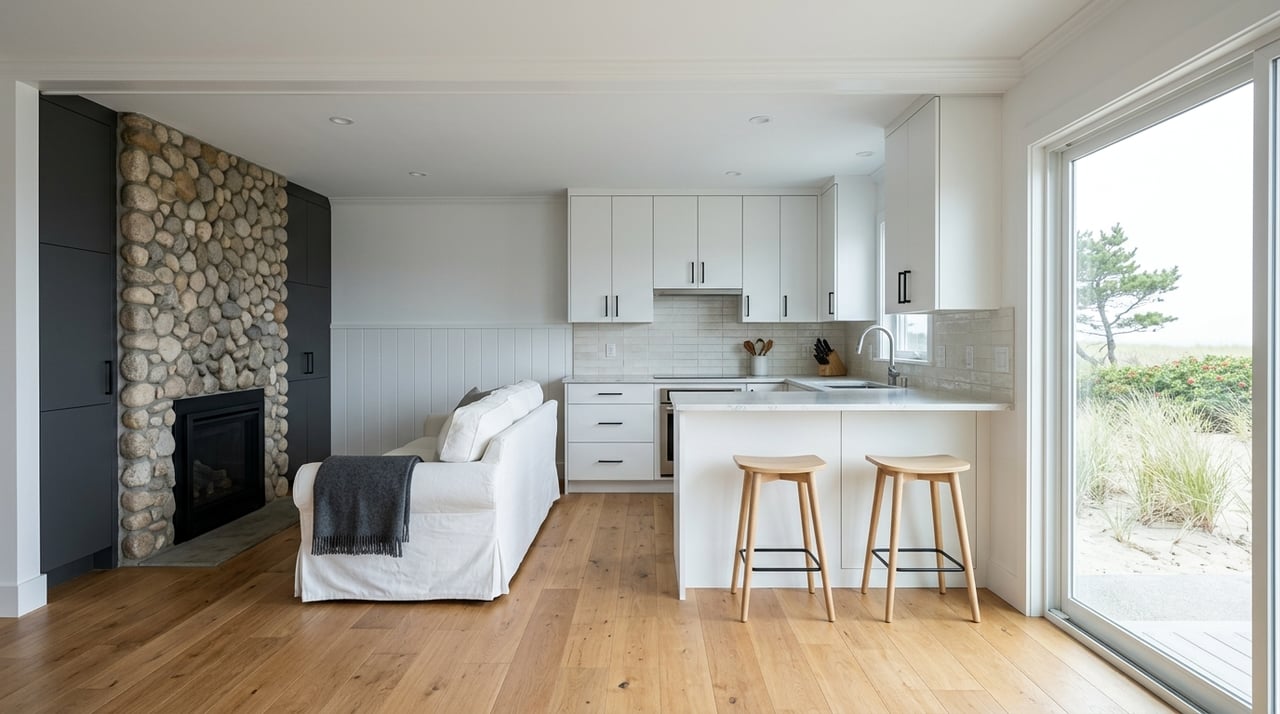
Rockaway Beach And Nedonna: Vacation Rental Potential Explained
May 7, 2026
May 7, 2026
Wondering whether a home in Rockaway Beach or Nedonna could work as a vacation rental? You are not alone. Many buyers along the North Oregon Coast are drawn to the idea of owning a beach home that supports personal use and generates rental income, but the rules, costs, and property fit can make or break that plan. This guide walks you through what matters most in the 97136 area so you can evaluate opportunity with clear eyes. Let’s dive in.
Rockaway Beach has a distinct visitor identity on the Oregon Coast. The city highlights its seven-mile beach, family festivals, and scenic railroad excursions, which gives it a different feel from nearby coastal towns that lean more heavily on amusement attractions, galleries, or fine dining.
For buyers, that matters because vacation rental demand is not just about proximity to the water. It is also about the type of stay guests are looking for. In Rockaway Beach, the positioning points to a beach-town experience that fits families and small groups especially well.
The lodging tax data supports the idea that this market has real short-term rental activity. In 2024, Rockaway Beach city lodging-tax receipts totaled $123,342, and the unincorporated Rockaway Beach subarea totaled $322,742. In both areas, just over half of annual revenue came in Q3, which shows clear seasonality.
Countywide through Q3 2024, short-term rental occupancy averaged 45%, compared with 40% for hotels. That does not mean every property performs the same way, but it does show that the short-term rental market remains a meaningful part of the local lodging mix.
Tillamook County’s lodging-tax mix is heavily weighted toward detached homes. In 2024, single-family lodging generated 70% of county lodging-tax revenue, while hotels accounted for 16%, RV and camp stays 11%, multifamily 2%, and bed and breakfasts 1%.
That tells you something important if you are shopping for an investment-minded beach property. In this area, detached homes are the most natural fit for vacation rental use, especially homes that can comfortably host families or small groups.
Properties with multiple bedrooms, practical layouts, and enough parking tend to align best with local requirements. A cute cottage near the beach may be appealing, but if the parking, access, or occupancy setup does not fit the rules, the numbers can get harder fast.
If the property is inside Rockaway Beach city limits, you need to start with the city’s short-term rental licensing rules. The city requires a license for any short-term rental, and the current cap is 420 licenses.
At present, the number of licenses exceeds that cap, and the city has a waiting list. The current fee schedule lists $500 for a new license, $500 for a renewal, $500 for a transfer, and $95 for the waiting list.
That waiting-list reality is one of the biggest underwriting issues in the city. A property may seem perfect on paper, but you should not assume you can simply buy it and start renting unless you have confirmed the actual license status and transfer process.
The city also requires the legal property owner to apply. Licenses can transfer with a sale, but the new owner must notify the city within 30 days of closing.
Rockaway Beach also places specific operating requirements on short-term rentals. Owners must provide a parking plan, maintain minimum parking, post visible license documentation, keep a 24/7 contact number, and have the owner or local agent respond within 30 minutes.
The city also requires a guest registry, liability insurance, emergency information, garbage service, and posted signage. These are not minor details. They affect your setup, your operating style, and whether a property is practical for hands-on ownership.
Parking is especially important. For homes built on or after March 25, 1980, the city requires two off-street parking spaces per dwelling unit.
If you are comparing several homes, this is where local due diligence matters. A property close to the beach may look like the obvious winner, but a home with cleaner parking compliance and simpler access can be the more workable long-term choice.
Nedonna needs a separate lens because many properties there are in unincorporated Tillamook County rather than inside city limits. That means the county rules may apply instead of the city rules.
For unincorporated county properties, Tillamook County requires a floor plan, a site plan with parking, a fire and life-safety affidavit, liability insurance, weekly garbage-service confirmation, transient lodging tax registration, a hold-harmless agreement, and proof of access.
A new county short-term rental license costs $400 plus a 5% tech fee. The operator fee is based on maximum occupancy at $75 per occupant, and if on-street parking verification is needed, that review costs $583.
County-managed waitlists also matter here. Tillamook County manages subarea waitlists, including a Rockaway Beach UGB waitlist, so you should confirm exactly which jurisdiction your parcel falls under before assuming vacation rental use is allowed or available.
In Nedonna, utilities deserve extra attention during underwriting. The city’s wastewater plan describes the unincorporated Nedonna Beach area as not sewered except for White Dove Estates, though the planning documents say the area is expected to be served within the planning horizon.
The city’s January 2026 update also notes that the Nedonna Beach Water Main Project is out to bid to replace aging water mains. For a buyer, this means utility conditions may affect cost, maintenance planning, and overall property suitability.
This does not automatically make a property a bad investment. It simply means that in Nedonna, utility review should sit right alongside zoning, parking, and license eligibility.
A vacation rental purchase should always be underwritten with taxes and required charges in mind. In Rockaway Beach city limits, the city transient lodging tax is 10%.
On top of that, Tillamook County’s lodging tax is scheduled at 12% effective September 1, 2025 and 14% beginning July 1, 2026. Oregon’s state lodging tax is 1.5%.
That means the combined lodging-tax burden is about 13.5% through June 30, 2026 and about 15.5% after July 1, 2026, before any other required charges. If you are building a pro forma, this is a major line item, not a footnote.
It is also important to know that both county and state tax non-optional add-on fees. If you charge non-optional cleaning, pet, extra-bed, booking, or processing fees, those amounts are taxable too.
The strongest vacation rental plans in this area account for seasonality from the start. In both Rockaway Beach city and the unincorporated Rockaway Beach subarea, more than half of 2024 lodging-tax revenue came during Q3.
That pattern suggests summer and early fall play an outsized role in annual performance. You may still see bookings outside peak season, but your ownership plan should be able to absorb quieter periods.
For many buyers, that means treating vacation rental income as a helpful offset rather than relying on full, steady year-round demand. A property that works for your own lifestyle goals as well as your rental goals often creates a more resilient purchase.
So what kind of property tends to make the most sense here? Based on the local lodging mix and the regulatory setup, detached beach houses and cottages with enough bedrooms, practical parking, and straightforward access are usually the cleanest fit.
Condos and multi-unit properties can work, but Rockaway Beach treats each dwelling unit separately for licensing. That means each rentable unit should be evaluated on its own economics and licensing position.
There is another future-facing factor to keep in mind. Starting with renewals for the July 1, 2027 license period, the property must have been rented at least 30 days in the previous 12 months to remain eligible for renewal.
That rule makes actual operating performance more important over time. If you are buying with an STR goal, it helps to choose a property type and location that support consistent enough use to meet renewal requirements.
Lifestyle is a big part of the appeal here. Rockaway Beach offers a long open beach, a relaxed visitor identity, and access to scenic excursions that many second-home buyers love.
At the same time, parts of the shoreline and dune system in areas including Nedonna and Twin Rocks are identified in the city’s comprehensive plan as being subject to ocean undercutting, wave overtopping, and flood conditions. Some parcels are in velocity or AO flood zones.
That means insurance, setbacks, and resilience planning deserve close attention. Before you fall in love with the view alone, it is wise to understand how site conditions may affect ownership costs and long-term risk.
The clearest takeaway is this: Rockaway Beach and Nedonna can support vacation rental use, but success depends on details. The best opportunities usually go to buyers who verify jurisdiction, confirm license status, understand taxes and fees, and choose properties that fit local parking, access, and utility realities.
This is where a hyper-local approach helps. On the North Oregon Coast, a few blocks can change licensing assumptions, utility conditions, and flood considerations.
If you are considering a second home or small investment property in the 97136 area, the goal is not just finding a charming beach house. It is finding one that truly matches your ownership goals, your risk tolerance, and the rules on the ground.
When you are ready for tailored guidance on coastal property fit, vacation-rental questions, or micro-market insight along the North Oregon Coast, schedule your concierge consultation with Andrea Mace.
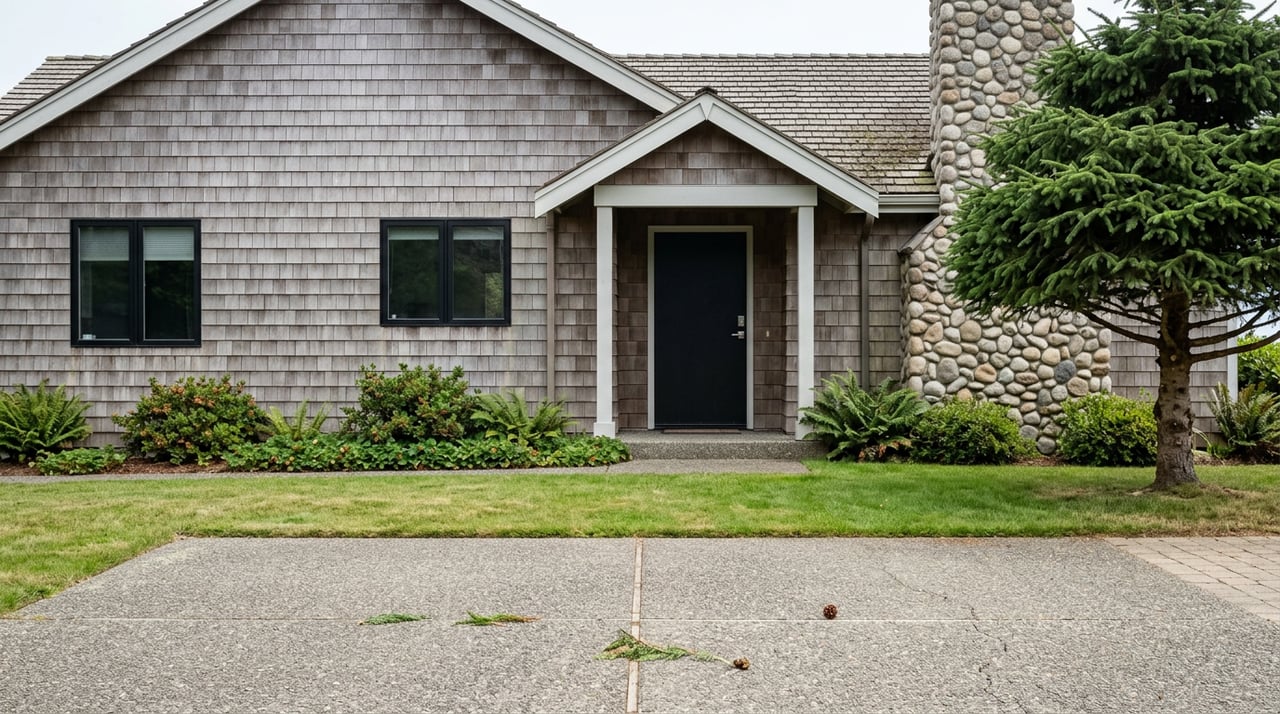


The Oregon Coast Town that Time Forgot
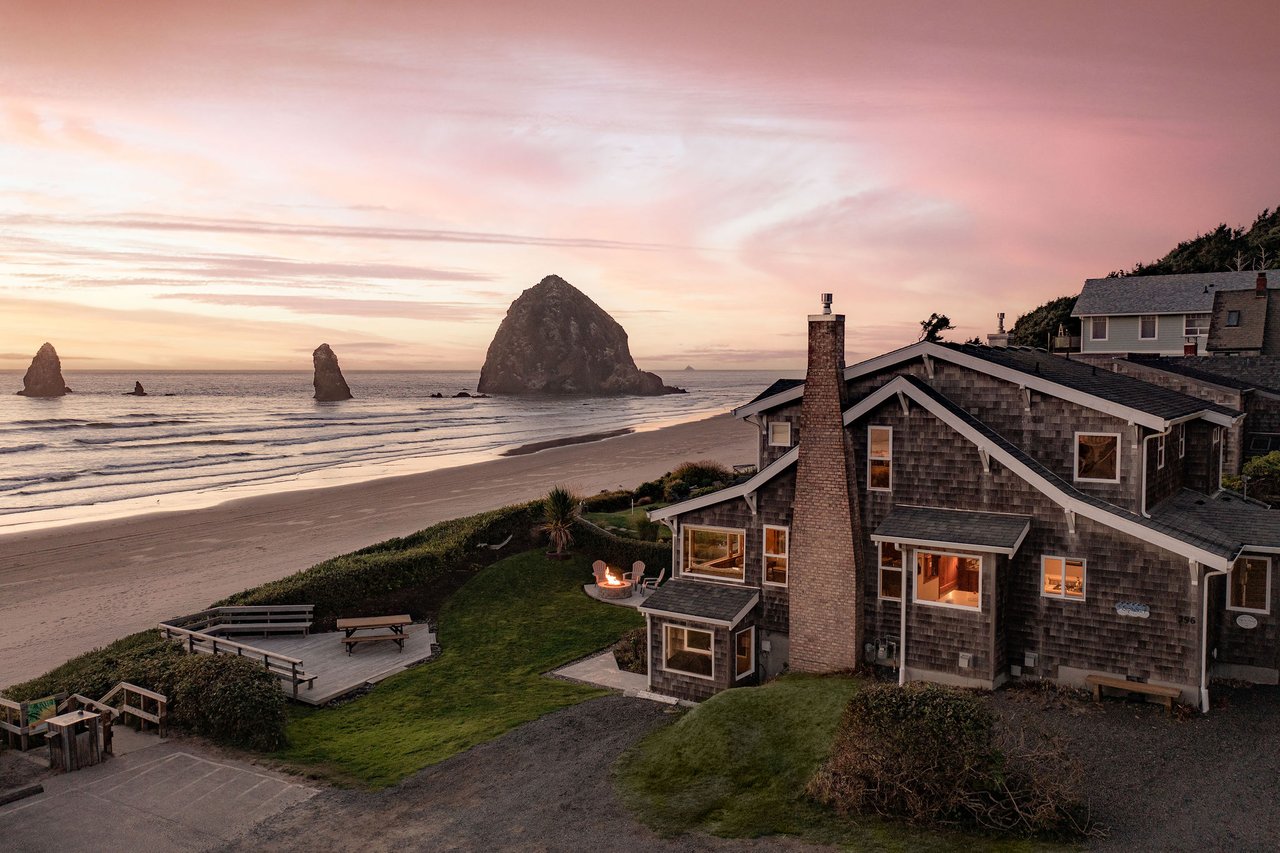
Cannon Beach Lifestyle
Cannon Beach Cottage Tour & Stormy Weather Arts Fest
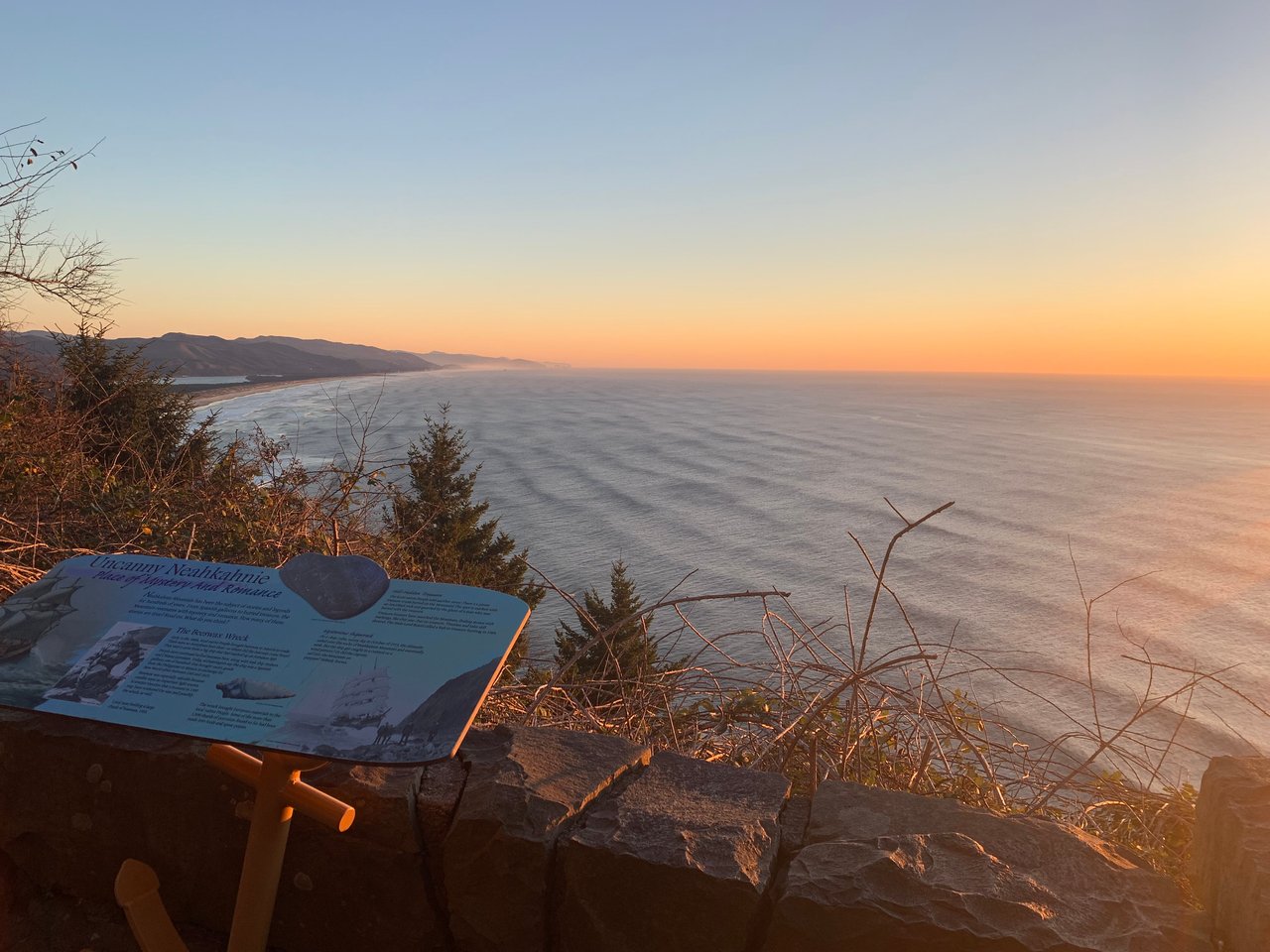
Now, there's a new trail to discover called the Neahkahnie Gap.
More than 30 years later, I’m still here—and the Oregon Coast continues to shape the way I live, work and think about home.
How to navigate the crowds and have a good time in everyone's favorite beach town.
Want to sell now or in the future? Let's start a conversation about how my services can be put to use to market and sell your home to a qualified buyer.