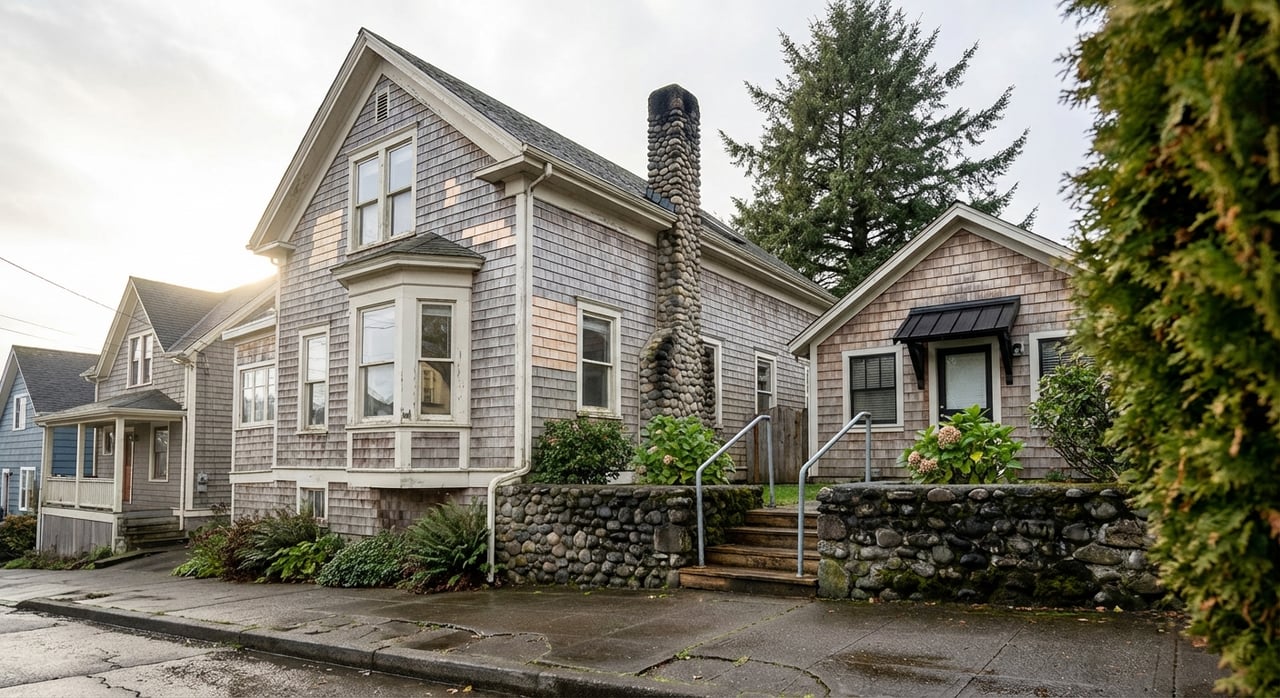
Astoria Neighborhoods: From Victorian Hillsides To Riverfront
February 19, 2026
February 19, 2026
Wondering which part of Astoria feels most like you? Maybe you picture a restored Victorian with river views, a condo steps from cafés, or a quiet home on a larger lot. Choosing the right pocket of 97103 comes down to how you want to live day to day. In this guide, you’ll compare Astoria’s hillside neighborhoods, riverfront core, and quieter edges, with clear lifestyle tradeoffs and buyer tips you can use. Let’s dive in.
Astoria the city sits within ZIP 97103, which also covers some nearby, less‑urban areas. When you read stats or listings, confirm whether they refer to the city limits or the broader ZIP. For quick context on the city itself, start with the overview on Astoria’s Wikipedia page.
Walkability varies a lot by block. Central addresses near Commercial Street and the Riverwalk often score “Very Walkable,” while hillside and edge locations show lower scores. You can compare address‑level snapshots on Walk Score for Astoria.
These are Astoria’s older, elevated neighborhoods, including Shively–McClure and Uppertown/Adair. Streets climb steeply above downtown, with stairways, narrow lanes, and long views over the Columbia. You’ll see intricate woodwork, deep porches, and a sense of history on nearly every block.
Expect late‑19th and early‑20th‑century styles: Queen Anne, Foursquare, and Craftsman. Many blocks fall within or near National Register districts, which is central to Astoria’s identity. To understand local historic designations and boundaries, review the National Register district files and the Lower Columbia Preservation Society’s research guidance.
Commercial Street, Marine Drive, and the Riverwalk form Astoria’s lively core. You’re steps from galleries, cafés, the Astoria Sunday Market, and the waterfront path. Get a sense of the scene with this overview of things to do along the riverfront and the details on the Astoria Sunday Market.
Downtown’s early‑20th‑century buildings give it a classic Pacific Northwest feel. The area continues to see civic investment, including the Columbia River Maritime Museum’s expansion that will further activate the riverfront. Read about the project’s scope in the Daily Astorian’s coverage of the museum expansion.
ZIP 97103 also covers lower‑density areas beyond the city’s core. These pockets can include larger lots, mid‑century homes, and more privacy. For clarity on ZIP coverage and nearby communities included in 97103 datasets, use this ZIP 97103 profile.
Astoria’s fabric stands out for its density of preserved late‑19th and early‑20th‑century homes alongside an early commercial core. Many properties sit within National Register districts; you can explore nomination files and context in the NRHP documents. On the street, distinctive touches like restored sidewalk “vault lights” and substantial stone retaining walls add texture and tell a preservation story you can feel. For a deeper dive, LCPS provides visuals and background in their research resources.
A few blocks can make a big lifestyle difference. Central addresses near Commercial and the Riverwalk are commonly rated “Very Walkable,” while hillside homes trade some convenience for views and character. Before you fall in love with a listing, check the specific address on Walk Score and compare your daily routine to what the street offers.
From May to October, the Sunday Market and waterfront activity bring extra energy downtown. Restaurants, tasting rooms, and small shops carry that momentum, especially in good weather. If you prefer a quieter feel in peak season, a hillside or outlying pocket may fit you better. If you thrive on buzz and easy errands, the riverfront core is likely your match.
Use this short list to fine‑tune your search and due diligence:
Ready to map this to your goals and timing? Reach out for concierge guidance that blends local nuance with a calm, data‑informed plan. Connect with Andrea Mace to start a tailored search or prep a listing with elevated presentation.


The Oregon Coast Town that Time Forgot
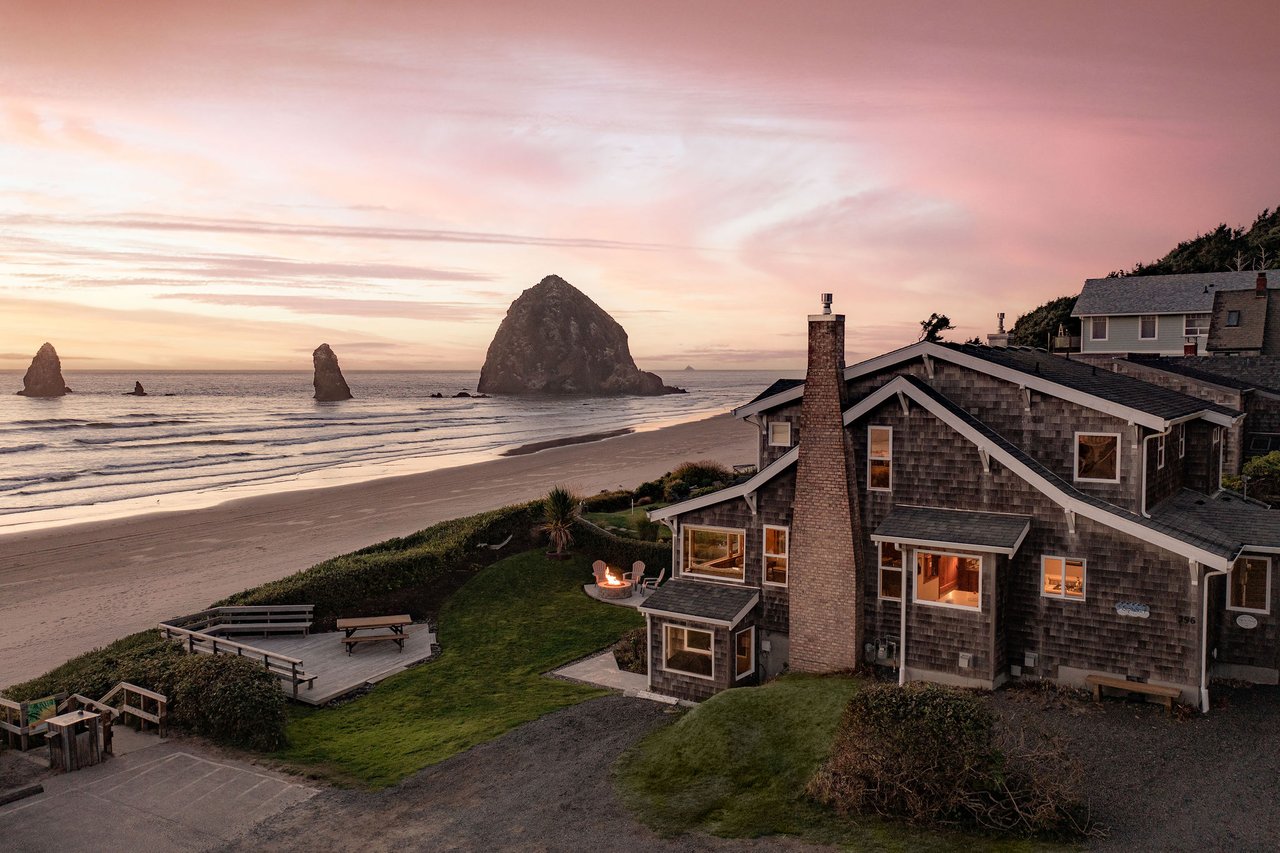
Cannon Beach Lifestyle
Cannon Beach Cottage Tour & Stormy Weather Arts Fest
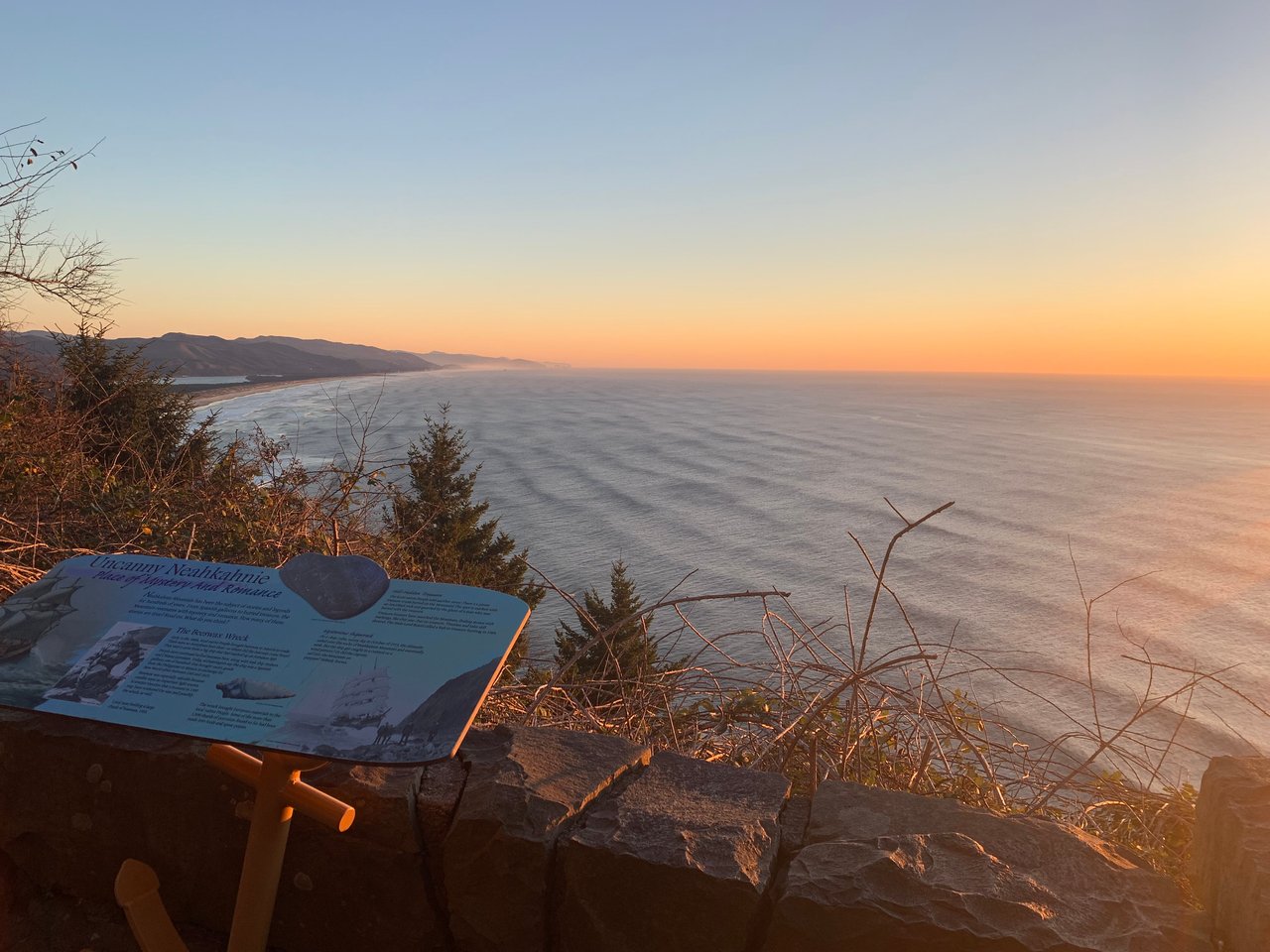
Now, there's a new trail to discover called the Neahkahnie Gap.
More than 30 years later, I’m still here—and the Oregon Coast continues to shape the way I live, work and think about home.
Want to sell now or in the future? Let's start a conversation about how my services can be put to use to market and sell your home to a qualified buyer.