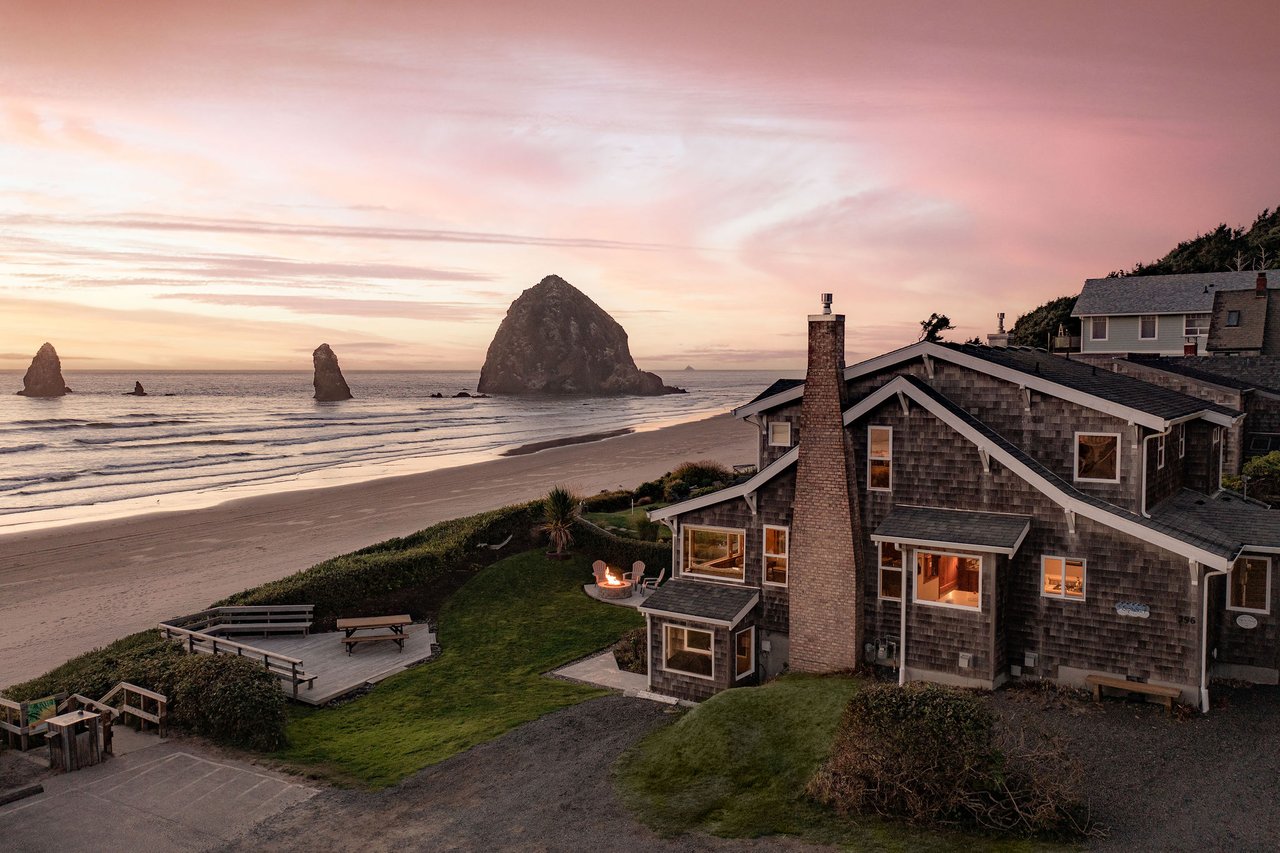
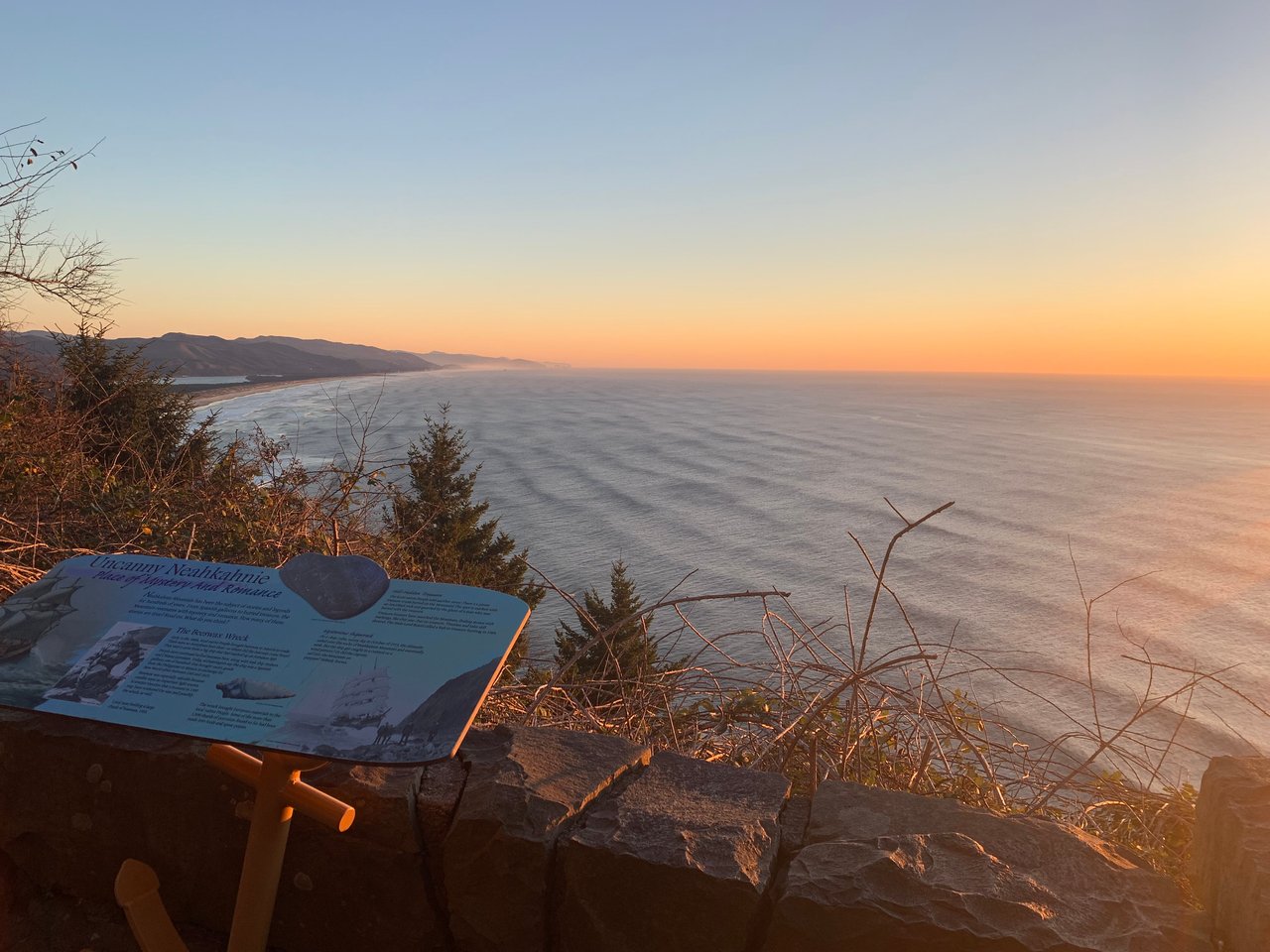
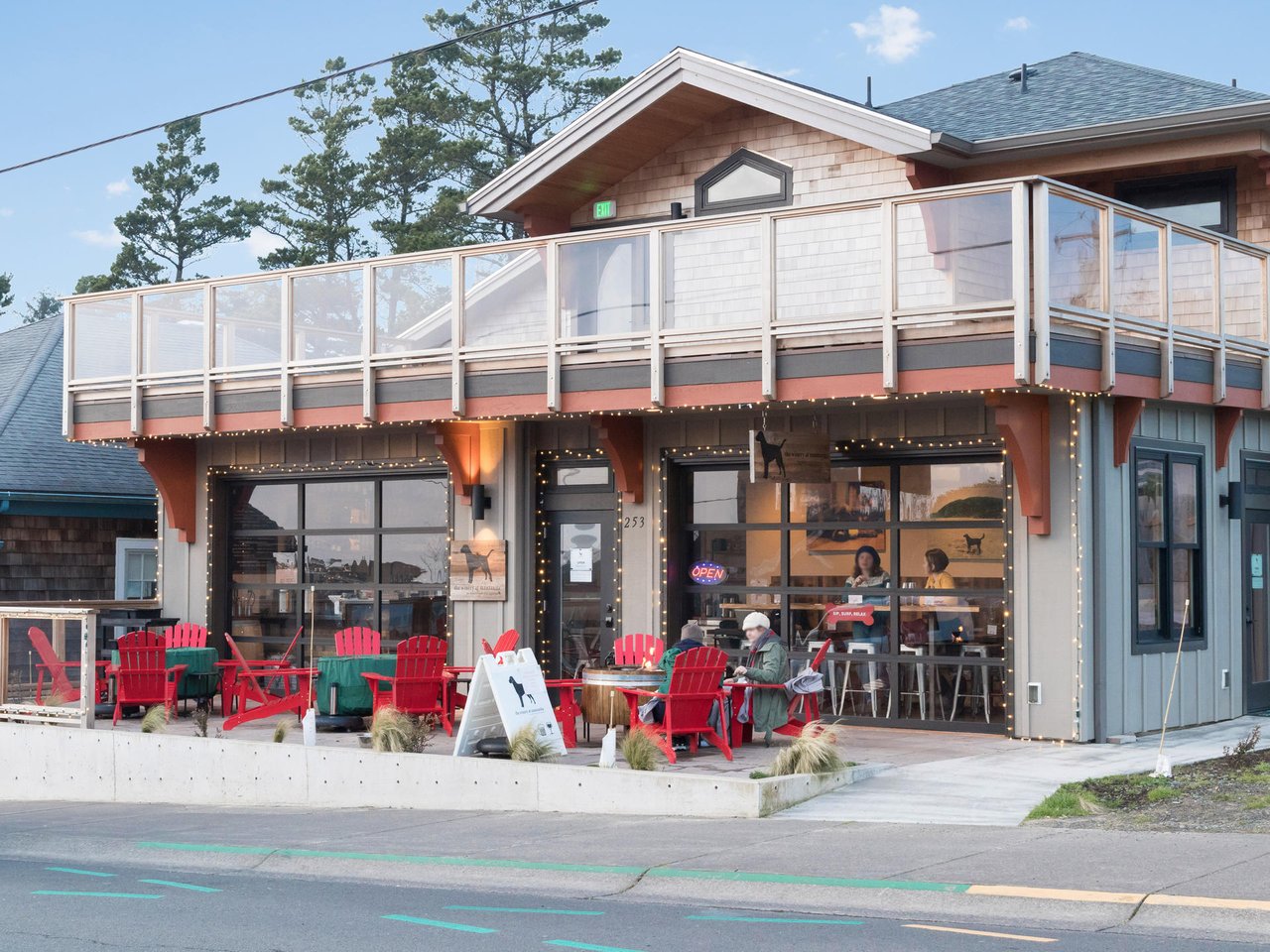
Dreaming of slow mornings near Haystack Rock but unsure how to make a second home in Cannon Beach a reality? You are not alone. Inventory can be tight here, and coastal rules add layers you may not see in metro markets. This guide gives you a clear, step-by-step plan for buying in 97110, from financing and inspections to insurance and local rules. Let’s dive in.
Set your plan and budget
Before you start scrolling listings, get clear on how you plan to use the home.
- Decide your intent: personal second home, rental income, or a hybrid. Your choice affects financing, taxes, and insurance.
- Prioritize key features: beach proximity, elevation, views, on-site parking, garage, and year-round access. Note whether homes are on municipal sewer or a private septic system.
- Get a full written pre-approval with a lender who understands second homes and coastal underwriting. A strong pre-approval improves your speed and credibility in a low-inventory market.
- Define your offer strategy early. Know your comfort with inspection timelines, appraisal gaps, and financing contingencies so you can move quickly when the right home appears.
Understand financing, taxes, and insurance
Financing
- Second home loans typically require 10 to 20 percent down, with rates slightly higher than for a primary residence.
- If you plan short-term rentals, lenders often treat the property as an investment, which can mean higher rates and larger down payments.
- Lenders view rental income differently. Short-term rental income may need a track record, often 12 to 24 months, or it may be underwritten conservatively.
- Local lenders familiar with Cannon Beach can streamline underwriting since they understand coastal insurance and seasonal income patterns.
Taxes
- Property taxes are assessed by Clatsop County, based on assessed value and local rates for your parcel. Review parcel-specific history before you write an offer.
- If you plan to operate short-term rentals, you must register and collect transient lodging taxes at the state, county, and possibly city level. Confirm registration, remittance, and filing rules.
- For income tax treatment, both rental income and deductions follow federal and state rules. A CPA can help you structure reporting.
Insurance
- Expect higher homeowners premiums on the coast due to wind, storms, and salt exposure. Get quotes early since some insurers limit coastal coverage.
- If the home sits in a FEMA flood zone, your lender may require flood insurance through the NFIP or private carriers.
- Standard policies often exclude earth movement. If erosion or landslide risk is a concern, ask about separate coverage or endorsements.
- Ask your lender how insurance premiums impact your debt-to-income ratio and loan approval.
Navigate Cannon Beach rules
- City limits vs county: Some properties sit outside city limits, which can affect services, permitting, and sewer access. Verify the exact jurisdiction for each address.
- Sewer vs septic: Confirm whether the home connects to municipal sewer or has a septic system. Septic systems add inspection and maintenance needs.
- Short-term rental rules: Local requirements can include permits, occupancy limits, safety checks, parking minimums, and renewals. Rules change over time, so verify current guidance before you buy.
- Coastal land use: Oregon’s coastal zone rules influence repairs, rebuilding, and additions, especially near dunes and bluffs. Confirm what is allowed before planning alterations.
Preview homes from anywhere
If you are buying from out of town, a staged approach reduces risk and saves time.
- Remote research
- Review MLS media, seller disclosures, and property records. Flag questions about sewer vs septic, elevation, and prior permits.
- Live virtual walkthroughs
- Ask for agent-guided video tours that focus on roof condition, foundation, HVAC, areas prone to water intrusion, and sightlines for views.
- Short in-person preview day
- Plan 1 to 2 focused days with back-to-back showings. If possible, view top candidates at different tide or weather conditions.
- Independent inspection support
- Hire an inspector to deliver a full report and video, even if you toured virtually. This is essential for remote buyers.
Quick preview checklist
- Test access and parking. Check cellular coverage and distance to services.
- Listen for neighborhood noise at various times of day.
- For beachfront or view homes, observe elevated tide activity and wave action.
Write competitive offers
In a tight coastal market, your offer must be both fast and solid.
- Include a strong local lender pre-approval or proof of funds for cash.
- Use meaningful earnest money to signal commitment.
- Offer flexible closing dates that align with the seller’s timeline.
- Consider escalation clauses if multiple offers are likely. Work with your agent to craft them correctly.
- Keep an inspection contingency but time-box it. You can accept minor repair responsibility while reserving options for major structural or saltwater intrusion issues.
- Decide in advance if you are prepared to cover a modest appraisal gap.
- Align any buyer communications with fair housing guidelines. Let your agent advise on best practices.
Escrow and closing in Oregon
Most transactions close in 30 to 45 days, depending on financing and inspections.
Typical sequence
- Earnest money deposit at offer acceptance.
- Title search and preliminary title commitment for lien and easement review.
- General home inspection within your contingency window, plus any specialized inspections.
- Appraisal and lender underwriting if financing the purchase.
- Final walk-through and signing. Remote notary or mail-away options may be available through the title company.
Closing costs
- Expect lender fees, title insurance and escrow fees, plus prorated taxes and utilities. Ask for an estimate early so you can budget and compare scenarios.
Coastal inspections and risk checks
Coastal homes reward careful due diligence. Add these to your inspection plan.
- General inspections: whole home, pest, HVAC, and roof.
- Flood risk: order a FEMA flood map report and consider an elevation certificate if needed.
- Bluff stability: for bluff-top or near-bluff sites, a stability or geotechnical assessment helps you understand long-term risk.
- Septic vs sewer: if on septic, order a full inspection and request system records. If on sewer, verify lateral condition and utility connections.
- Structural check: look for wind and storm-related wear.
- Permit and code review: confirm permits for additions, decks, railings, and any beach access stairs. Non-permitted work can affect financing and insurance.
Ownership, operations, and seasonal realities
Operating a coastal property has unique rhythms and costs.
- Maintenance: salt air accelerates corrosion and paint wear. Budget for more frequent upkeep and occasional storm repairs.
- Power and access: winter storms can affect roads and power. Consider backup power options and confirm winter accessibility.
- Landscaping: dune and native plant protections may guide what you can alter.
- Public beach access: Oregon protects public access to certain beach areas. Review surveys, title, and the mean high tide line to understand your property claims.
- Short-term rentals: plan for cleaning, turnovers, seasonality, and management. Understand occupancy limits, safety requirements, and tax remittances if you plan rentals.
Your concierge advantage
Buying in 97110 is smoother with a seasoned, local partner who anticipates coastal details.
What a concierge approach includes
- Market triage tailored to your goals and criteria, including elevation, sewer vs septic, and rental potential.
- Coordinated preview days with efficient itineraries, tide checks, and neighborhood assessments.
- High-quality virtual tours that highlight structural and coastal risk indicators, plus aerial context when appropriate.
- Early parcel intel, including flood maps, title preliminaries, and permit histories summarized in plain language.
- Fast access to specialized inspectors and trusted contractors for timely estimates.
- Offer optimization that matches local norms for earnest money, timing, and contingencies.
- Remote closing support with clear escrow coordination and document handling.
- Post-close introductions to property managers, cleaners, maintenance pros, insurance agents, and tax advisers who understand Cannon Beach.
Quick buyer checklist
- Clarify intent: personal use, rental, or hybrid.
- Get a coastal-savvy lender pre-approval in writing.
- Rank property criteria: views, parking, sewer vs septic, elevation, HOA rules, and beach proximity.
- Order parcel reports: flood map, preliminary title, and tax history.
- Schedule specialized inspections early: septic, bluff stability, elevation, and pest.
- Verify short-term rental permit rules and lodging tax registration if you plan to rent.
- Obtain homeowners and flood insurance quotes and confirm lender requirements.
- Plan a focused in-market visit or live virtual tours.
- Prep your offer strategy: earnest money, inspection timeline, escalation and appraisal gap plan.
- Post-close setup: property management, maintenance vendors, and utilities.
Ready to buy in 97110?
If Cannon Beach is calling, a clear plan and local expertise will help you secure the right home with confidence. For calm, concierge guidance that keeps your search efficient and your due diligence thorough, connect with Andrea Mace. Schedule your concierge consultation and let’s map out your next steps.
FAQs
How do I finance a second home in Cannon Beach if I live out of state?
- Work with a lender experienced in second homes and coastal underwriting, secure a full written pre-approval, and plan for a 10 to 20 percent down payment depending on your scenario.
Are short-term rentals allowed for second homes in Cannon Beach 97110?
- Rules can include permits, occupancy limits, parking, safety checks, and lodging taxes; confirm current city and county requirements before you buy.
What insurance should I budget for a Cannon Beach second home?
- Expect higher coastal homeowners premiums and consider flood insurance if the parcel is in a mapped flood zone; ask about options for erosion or landslide risks.
What inspections are essential for beachfront or bluff properties in Clatsop County?
- In addition to a general inspection, consider flood risk and elevation certificates, bluff stability assessments, septic inspections if applicable, and a structural review for storm and wind wear.
How do I verify if a property is on city sewer or a private septic system in 97110?
- Confirm utility connections during due diligence and review records or inspections for septic systems to understand age, capacity, and maintenance needs.
How does bluff erosion and public beach access affect ownership and resale in Cannon Beach?
- Erosion can impact long-term stability, insurability, and value, while Oregon’s public beach access rules make it important to understand property lines and easements shown on title.