Oceanfront vs Ocean View in Seaside: What Buyers Should Know
Coastal Living November 21, 2025
Coastal Living November 21, 2025
Ever picture yourself sipping coffee while the waves roll in, and then wonder what it really takes to own that view in Seaside? You are not alone. Many buyers start by searching “oceanfront” and “ocean view,” but the difference in Seaside is more than distance to the sand. It affects privacy, maintenance, risk, and long-term value.
In this guide, you will learn how Seaside’s promenade, public beach rules, flood zones, and local building standards shape your options. You will also get a practical checklist to help you verify the details that matter before you make an offer. Let’s dive in.
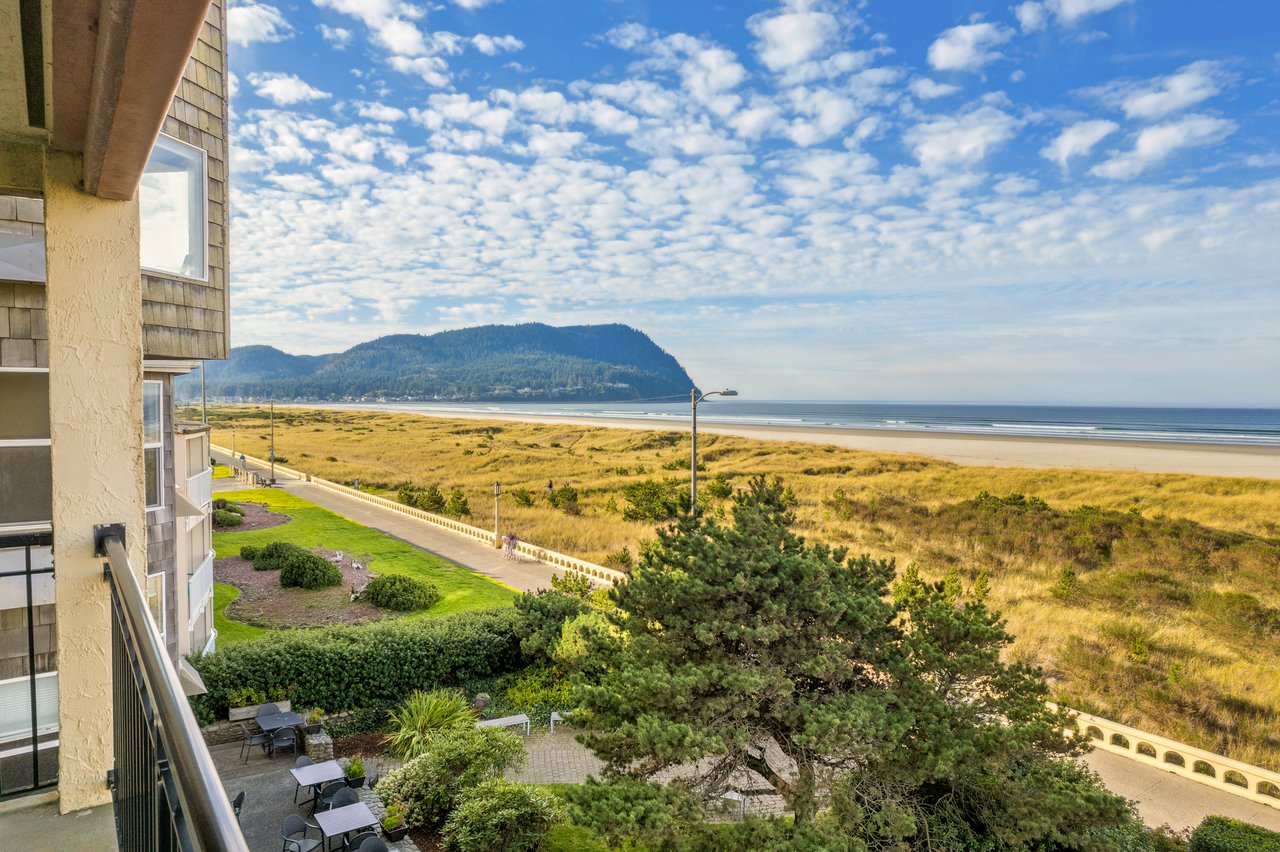
When a Seaside listing says oceanfront, it usually sits directly along the seafront, often just landward of the Seaside Promenade. You can expect wide, unobstructed views and the feeling of living on the edge of the shore. The yard may back onto the Prom or the foredune area.
Homes may advertise terms like “direct beach access” or “on the sands.” In Seaside, that can mean a private stairway, a path that crosses a public promenade, or a nearby public access point. Always verify how you reach the beach and whether you share or cross public walkways.
Seaside’s coastline is public use for most of the sandy foreshore. That means oceanfront ownership does not include private control of the beach area seaward of the foredune or vegetation line. Expect people on the Prom and beach, especially on weekends and in summer.
An ocean-view home sits one or more streets inland or on an elevated lot. You may enjoy sweeping views from upper levels or certain rooms, or a partial or “peek-a-boo” view through a view corridor. Elevation, distance, vegetation, and neighboring structures all shape what you see.
A key nuance is view permanence. Ocean-view listings do not guarantee that your view will stay the same. Infill construction, tree growth, or a change in terrain can reduce or block sightlines over time. Ask about local height limits, future development nearby, and any recorded view easements.
Seaside’s Prom is a public walkway that runs along much of the oceanfront. It is a signature amenity, and it also shapes day-to-day living on the seafront. Oceanfront owners enjoy postcard views and quick access, yet the Prom brings steady foot traffic, seasonal events, and less privacy.
If you value activity and people-watching, the Prom can be a plus. If you want a quieter setting, a set-back ocean-view home can be a better fit. Either way, confirm how you access the beach, whether the route is private or shared, and who maintains any stairs or paths.
The Oregon coast sees significant tidal swings. At high tide, the dry sand narrows, and winter storms can temporarily reduce the visible beach width. In summer, you often see a wider beach with calmer conditions.
If daily shoreline time is part of your plan, visit properties at different tide stages and in different seasons. A winter weekend on the Prom feels different than a calm July evening. Seeing both is the best way to set expectations.
Coastal parcels can sit in FEMA flood zones that affect insurance and building standards. Properties near the foredune or at lower elevations may fall in higher-risk designations that require flood insurance and specific elevation or construction measures.
Erosion risk also varies by site on the northern Oregon coast. Some areas may have documented shoreline change or setbacks that limit how close you can build or rebuild. Hard armoring like seawalls or revetments often requires permits and is not always allowed. If a home has existing armoring or dune work, check the permit history and conditions.
Local planning departments for Seaside and Clatsop County set setbacks, height limits, and coastal standards. Even routine repairs near the shore can trigger extra review. Before you budget a remodel or addition, confirm what is allowed and what approvals you will need.
Salt, wind, and sand drive most of the maintenance difference between oceanfront and ocean-view homes.
Both property types do best with salt-tolerant landscaping and well-designed drainage. On oceanfront lots, pay attention to dune stabilization and what plantings are permitted.
Insurance and financing often differ by exposure and flood zone. Closer to the ocean, you may see higher premiums for wind and hazard coverage and a lender requirement for flood insurance. Some insurers ask for mitigation steps, like elevated electrical, reinforced roof attachments, or specific anchoring.
Get insurance quotes early, before you write an offer. Ask your lender about flood elevation certificates and any conditions tied to a VE or AE flood zone. A proactive review prevents surprises later in escrow.
A simple test is to ask how often you will visit, what hours you will be home, and how you use outdoor spaces. The right answer aligns your routine with the property’s setting.
Oceanfront homes usually command a price premium and strong demand for their rarity, yet they can carry higher insurance and maintenance costs. Some buyers avoid higher-maintenance locations, which can narrow the pool at resale.
Ocean-view homes tend to be easier to insure and finance and appeal to a wider audience. That can make resale more predictable. If you plan to rent, oceanfront often earns higher nightly rates, but local regulations, permitting, and market competition will shape actual net income. Verify what is allowed before you count on rental revenue.
Use this simple set of questions to narrow your fit:
If your answers lean toward access and an immersive experience, focus oceanfront. If privacy, lower maintenance, and broader resale are priorities, target ocean-view.
Choosing between oceanfront and ocean view in Seaside is about aligning lifestyle with risk, cost, and long-term value. With the right plan, you can enjoy the view you want and protect your investment.
If you want tailored guidance, neighborhood-level insight, and a concierge process that keeps your purchase calm and clear, connect with Andrea Mace. Schedule your concierge consultation, and let’s match your vision with the right stretch of coast.


The Oregon Coast Town that Time Forgot
Cannon Beach Lifestyle
Cannon Beach Cottage Tour & Stormy Weather Arts Fest
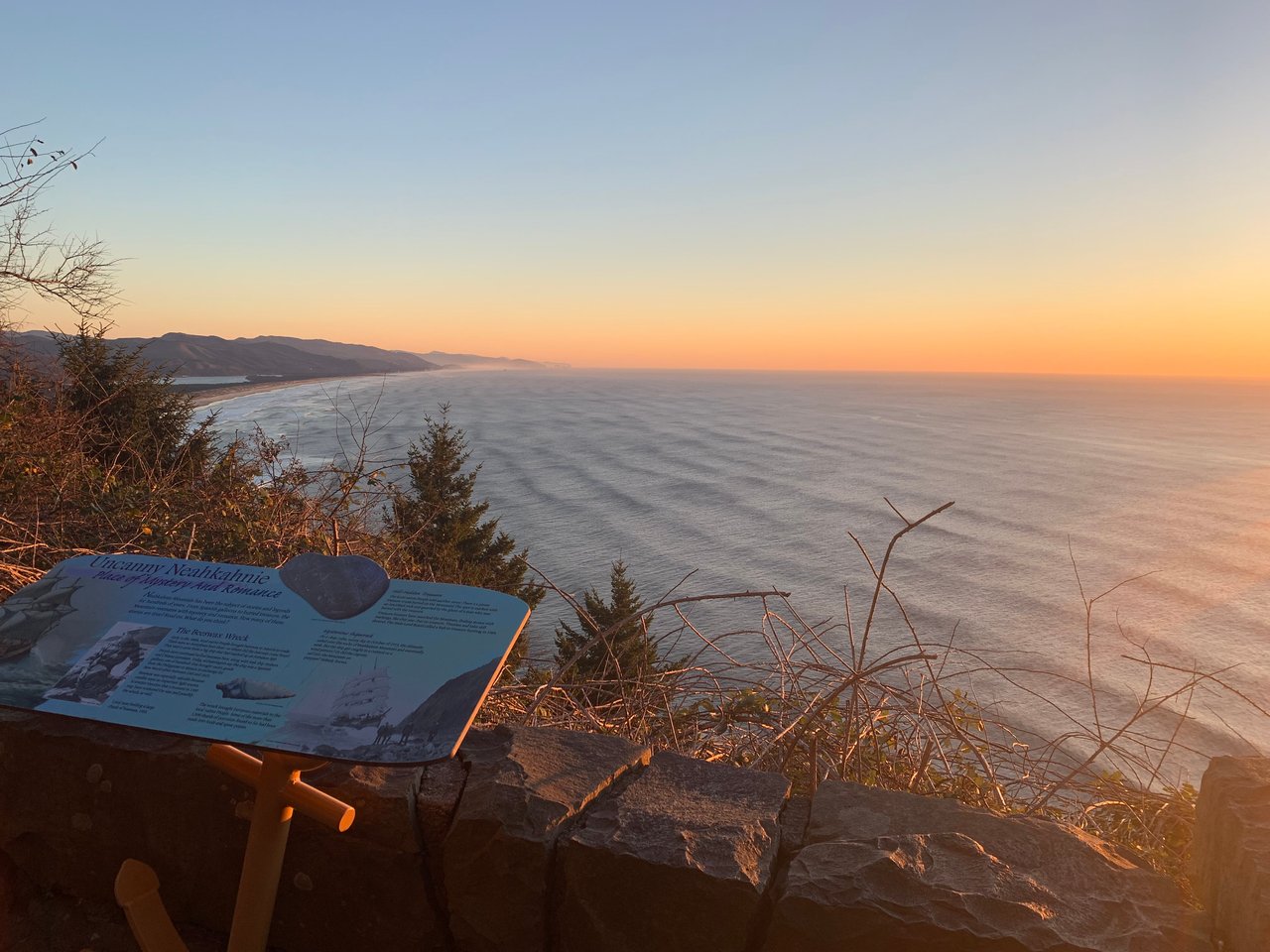
Now, there's a new trail to discover called the Neahkahnie Gap.
More than 30 years later, I’m still here—and the Oregon Coast continues to shape the way I live, work and think about home.
How to navigate the crowds and have a good time in everyone's favorite beach town.
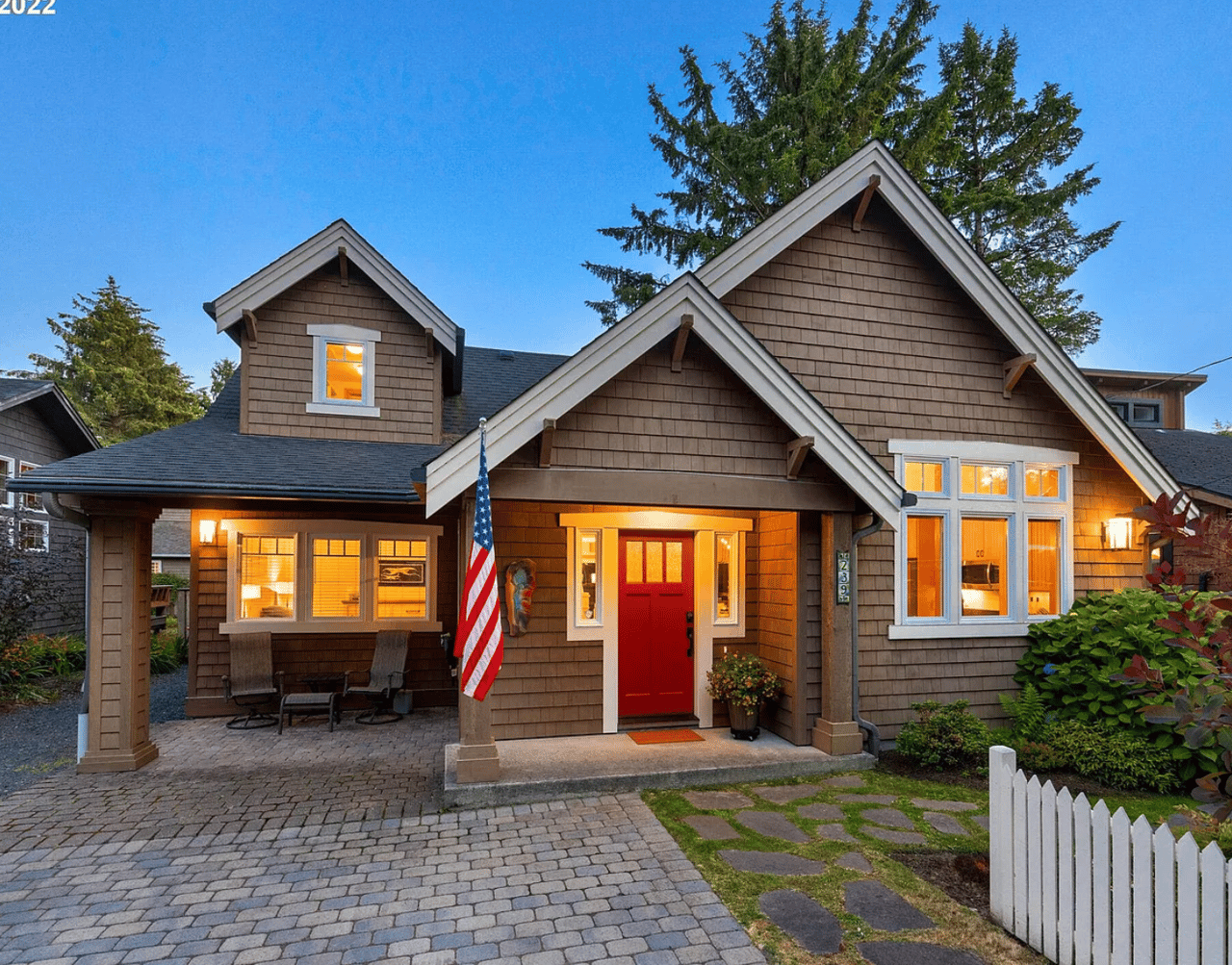
Want to sell now or in the future? Let's start a conversation about how my services can be put to use to market and sell your home to a qualified buyer.