
Manzanita Short‑Term Rental Rules Explained for Buyers
January 1, 2026
January 1, 2026
Thinking about buying a beach home in Manzanita and renting it when you are not there? Short‑term rental rules can make or break your plan. You want clarity on what is allowed, what it costs, and what happens to a permit when a home changes hands. In this guide, you will learn how Manzanita’s framework typically works, what to verify before you buy, and the exact documents to request so you can move forward with confidence. Let’s dive in.
Short‑term rental policy affects income, financing options, and future resale value. Rules can also shift with new ordinances or City Council actions, so recency matters. If permits are capped, nontransferable, or tied to strict standards, it can change the numbers on your investment. A clear verification plan protects you from surprises after closing.
You will want a high‑level map of the program before you get deep into numbers. Focus on permits, zoning, caps or moratoriums, transfer rules, operational standards, taxes, and how the city enforces compliance. Each of these items can impact both your ability to operate and your net proceeds.
Find the specific city ordinance that created or updated Manzanita’s short‑term rental program and the sections of the municipal code that implement it. City Council meeting minutes and staff reports often explain recent changes and timelines. Use these documents to confirm effective dates and any transition rules for existing permits.
Confirm whether the city issues an annual STR permit, a business license, or a conditional use permit. Review application requirements like owner and local contact info, proof of insurance, safety plans, parking diagrams, and fees. Ask how initial and recurring inspections work, including building, smoke and CO alarms, and septic or sewer checks.
Verify which zoning districts allow STRs and whether they are permitted by right or only through a conditional process. Look for any overlay maps that limit STRs to specific neighborhoods. Confirm if certain residential zones are excluded.
Check whether Manzanita uses a citywide cap, caps by zone, a moratorium, or a phased approach. If there is a cap, ask how new permits are allocated, whether there is a waitlist, and how priority is set. Confirm if any grandfathered permits have special renewal rules.
Ask whether a current STR permit is tied to the property, the owner, or an owner’s business license. Learn if permits transfer automatically at sale, require approval, or cannot transfer at all. Transfer rules have a direct impact on what you can do the day after closing.
Review quiet hours, maximum occupancy limits, parking requirements, trash management, and any on‑site posting rules for contact info and safety guidance. Ask how quickly a local contact must respond to complaints. These standards affect guest experience and your compliance risk.
Confirm transient lodging tax registration at the city or county level and whether platforms remit any portion on your behalf. Identify business license fees, permit fees, renewals, and fines for violations. Build these costs into your pro forma.
Learn the penalties for operating without a permit and how progressive enforcement works for repeat issues. Ask if there is a public permit lookup for status checks. Request any complaint history related to a subject property.
Because municipal rules change, verify current requirements directly with city sources before you write an offer contingency or close.
Read the Manzanita municipal code sections that govern short‑term rentals and identify the most recent ordinance by number and adoption date. Note any effective dates or transition schedules. Keep copies of what you rely on for your file.
Call or email the Planning Department or City Planner to confirm zoning and permit status for the specific address. Contact the City Recorder or Administrative Office for official records, ordinances, and Council actions. For enforcement patterns, ask Code Enforcement or the Police Department for complaint data.
Confirm transient lodging tax registration requirements with Tillamook County or the city, as applicable, and review Oregon Department of Revenue guidance for state lodging tax. Ask about reporting schedules, rates, and whether platforms collect and remit any portion.
Use this list to streamline requests and confirm the essentials before you remove contingencies.
Manzanita’s coastal demand often peaks in summer and holidays, with softer shoulder seasons. Compare the seller’s calendar and local platform data to gauge off‑season occupancy and average daily rates. Test multiple scenarios to understand your range of outcomes.
Include annual permit fees, added STR insurance, tax costs, professional management fees if you do not self‑manage, maintenance for higher turnover, and a reserve for fines or unexpected repairs. If transfer rules are uncertain or caps apply, model a scenario where STR use is limited or not available after closing.
A strong local guide saves time and prevents costly missteps. Andrea aligns your purchase plan with Manzanita’s rules so you can focus on lifestyle and returns.
Ready to explore Manzanita with a clear STR plan? Connect with Andrea Mace to map your options and move forward with confidence.


The Oregon Coast Town that Time Forgot

Cannon Beach Lifestyle
Cannon Beach Cottage Tour & Stormy Weather Arts Fest
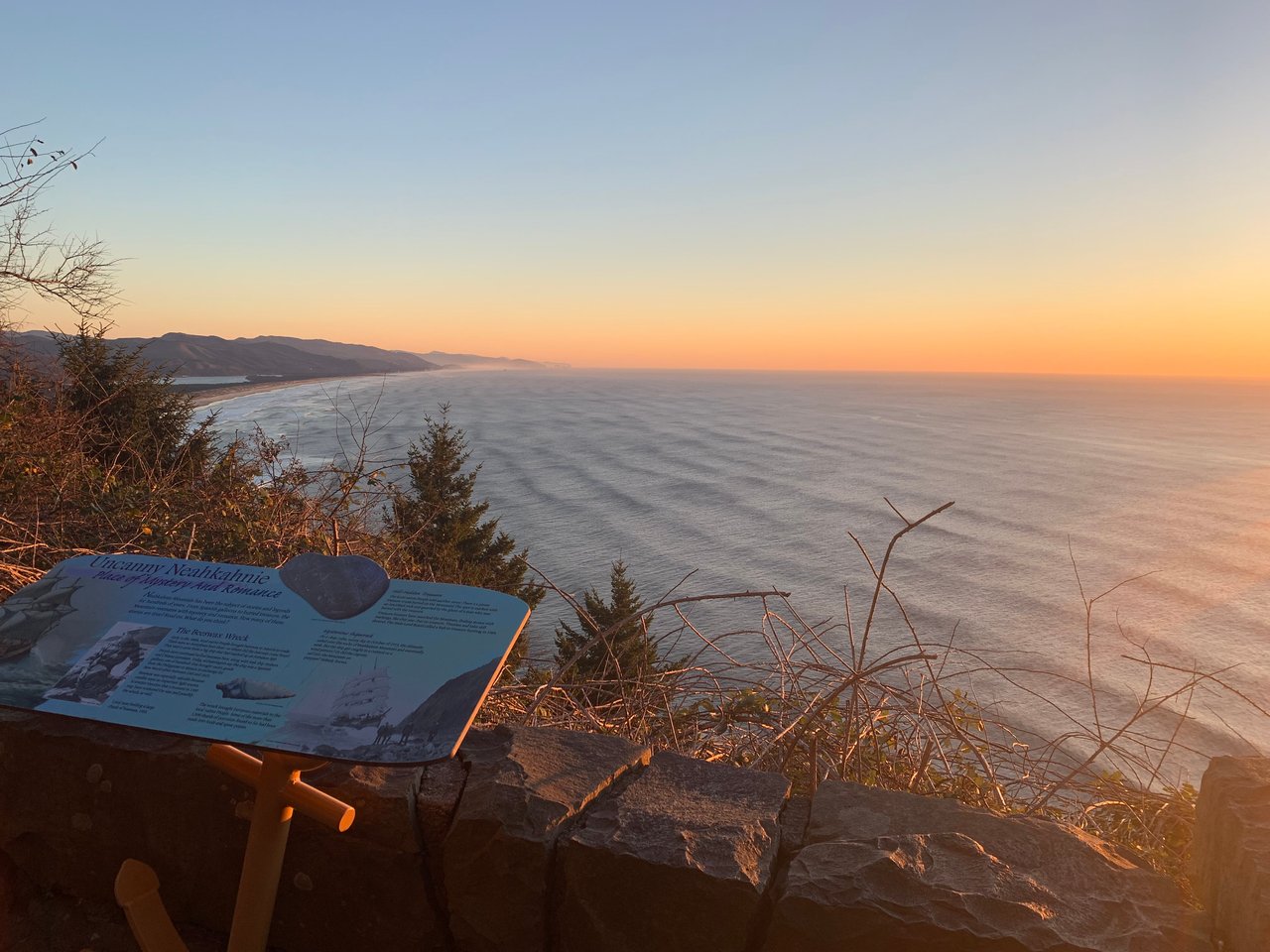
Now, there's a new trail to discover called the Neahkahnie Gap.


More than 30 years later, I’m still here—and the Oregon Coast continues to shape the way I live, work and think about home.

How to navigate the crowds and have a good time in everyone's favorite beach town.


Want to sell now or in the future? Let's start a conversation about how my services can be put to use to market and sell your home to a qualified buyer.